

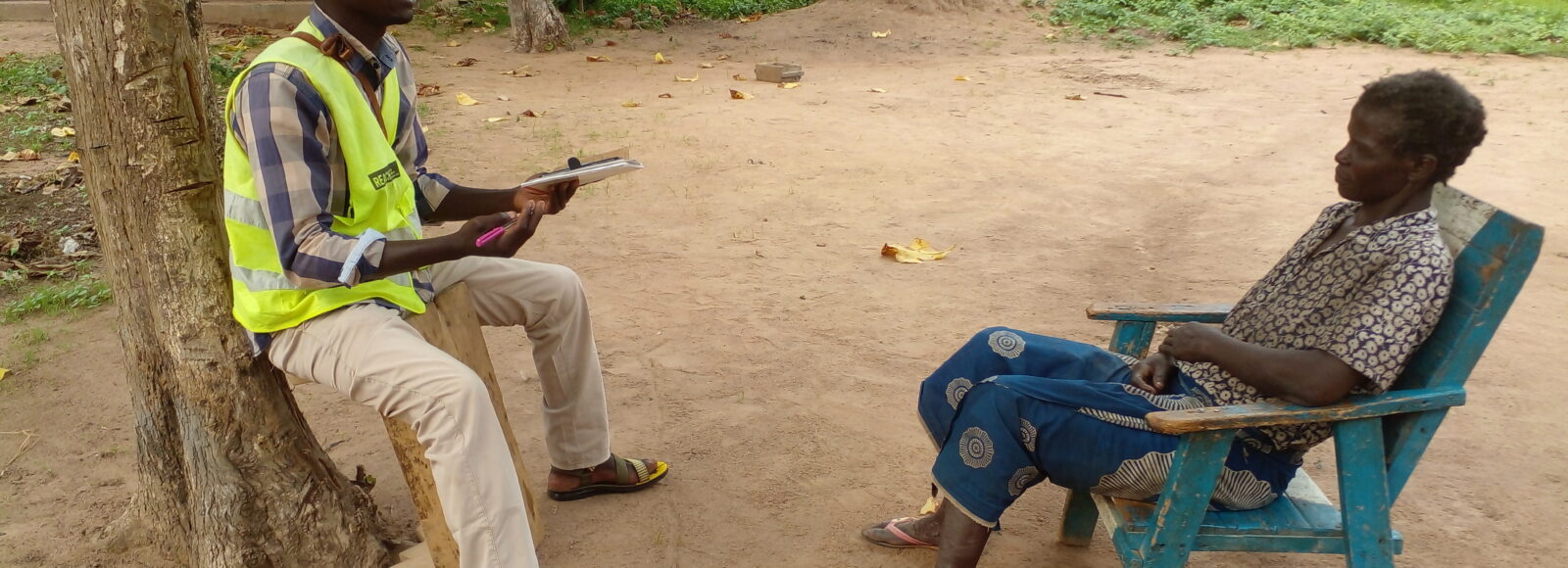

The 2024 Multi-Sectoral Needs Assessment (MSNA) in the Central African Republic (CAR) delivers critical insights into the diverse and pressing needs of communities across the country. Conducted in 74 sub-prefectures, this assessment covers sectors ranging from health and food security to water, hygiene, accountability to affected people and displacement, offering a comprehensive understanding of how various factors are impacting the population.
The MSNA is vital for guiding effective humanitarian planning and informing Humanitarian Programme Cycle in CAR. By analyzing data from almost 14,000 household interviews, it identifies the key challenges faced by affected populations. This approach enables humanitarian actors, local authorities, and donors to respond efficiently, making sure that urgent needs are addressed, affected people’s perception are taken into account and long-term strategies are developed.
Key Findings:
- Health remains a major concern, with elevated mortality rates in 6 out of 18 prefectures. Access to healthcare is limited, with many reporting challenges in reaching functional health facilities.
- Displacement continues to be driven by conflict, with 76% citing armed clashes as the primary reason for leaving their homes. This highlights the ongoing instability affecting the nation.
- Food security is under pressure, with 54% of households experiencing shocks due to irregular rainfall, rising food prices, and unexpected health expenses. Despite slight improvements, there is still significant need for food assistance, especially among displaced populations.
- 25% of households lack access to improved water sources, and 68% do not have proper sanitation facilities. This poses serious health risks and calls for immediate action to improve WASH services.
- Perception indicators show that only 39% of households feel the aid received covers their essential needs, with just 26% believing that it reaches the most vulnerable.
For a detailed analysis and to explore all the findings, read the full report here.