


Global temperatures are rising, and they are doing so at an increasing pace. According to UNEP’s recent Limiting Overshoot report, global warming may reach 1.5°C above pre-industrial levels around the end of this decade if current warming trends continue. In Afghanistan, academic research shows the extent of the issue. Here, temperature increases have exceeded the global average.
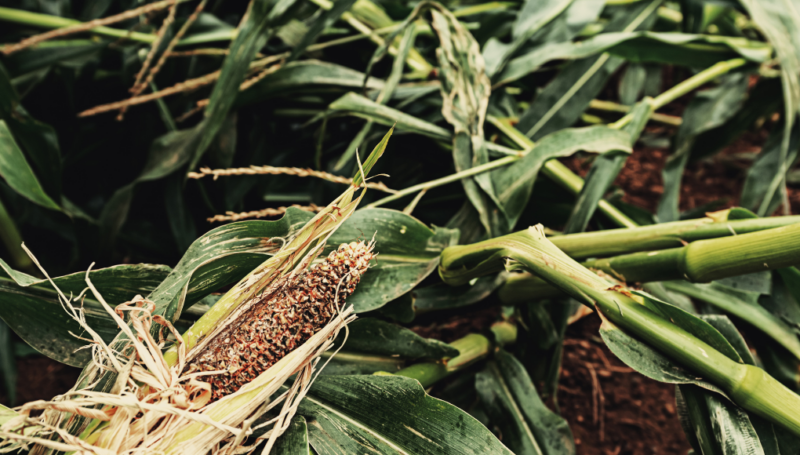
This heating trend has increased the water loss from soils and plants, leading to more frequent and more severe agricultural droughts.
Glaciers, abundant in the Hindu Kush mountain range, are retreating. The winter snows that would have supplied villages with meltwater throughout the dry summers are now falling as rain, and any snow that does collect is melting earlier. Together, these three factors are leading to a heightened risk of spring flooding.
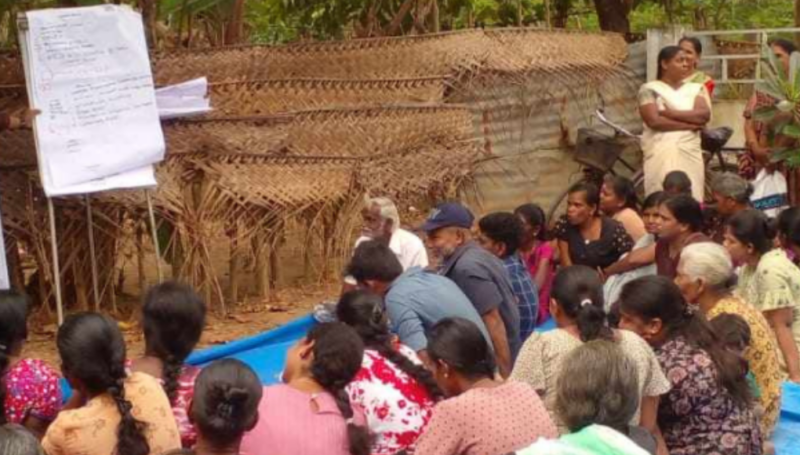
Beyond academia, research with farmers in the Central Highlands shows that they have witnessed increasing temperatures and decreasing precipitation on their own lands. Some of these changes have been positive, particularly in glaciated areas where glacier melt has increased water availability. Yet, most farmers reported negative impacts.
To further inform aid response actors of the effects of climate change, IMPACT conducted a review of the open access academic and humanitarian literature on climate change in Afghanistan, bringing the information into a single, accessible, format, available here.
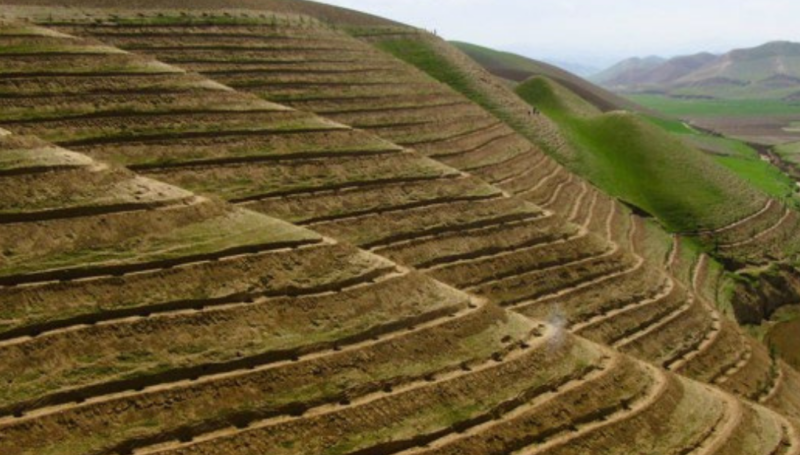
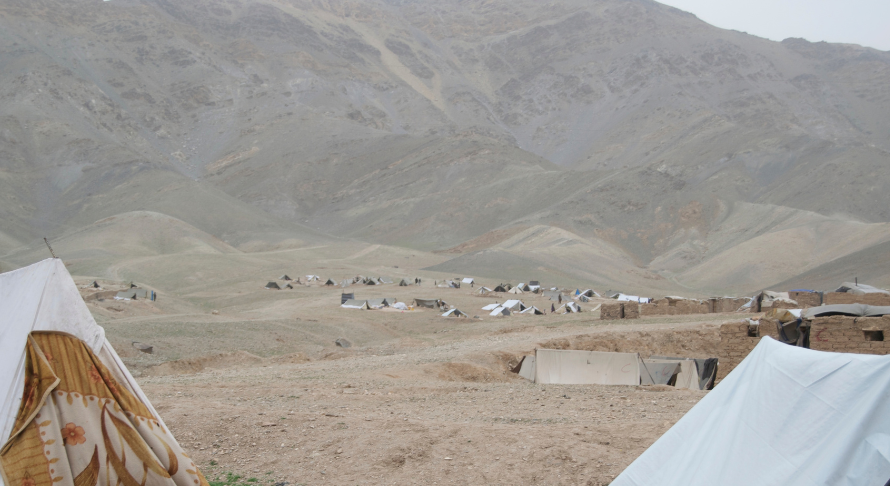
One of the slow-onset problems caused by climate change is the degradation of Afghanistan’s pastures and rangelands. IMPACT’s research with local communities in the Northwest of the country highlights the central role of these resources for rural livelihoods. Despite their importance, poverty, high livestock numbers, limited technical expertise in pasture restoration, and lack of formal pasture management are hindering sustainable use of pastures and rangelands. Read more here.
This type of long-term degradation of rural livelihoods may pressure households into leaving their homes as their livelihoods become increasingly difficult to sustain, while sudden-onset hazards such as floods can cause large-scale but short-term displacements. Indeed, IMPACT’s research finds that poverty, food insecurity, and natural hazards are now the driving factors of internal displacement in Afghanistan.
However, it is not necessarily true that all displaced persons are worse-off than the non-displaced population. First, factors such as poverty and, for women, a combination of movement restrictions, poor access to information, and caregiving duties can constrain the ability to evacuate or relocate, even when this would be beneficial. Second, with many moving towards urban centres, physical access to hospitals, schools, and other services is often better for displaced persons than those living in rural areas. Yet, unstable incomes from daily labour paired with high rent costs and risk of eviction pose specific challenges for the internally displaced, requiring commensurate support.
Read more about the link between natural hazards and displacement here.
Upcoming
To provide more evidence on early warning and flood preparedness, IMPACT is supporting ACAPS with a new assessment this September. The findings will be made available by ACAPS in October 2026.
Afghanistan’s water challenges are driven not only by climate change but also by limitations in water storage, groundwater management, and resource distribution. IMPACT is also undertaking a groundwater assessment in northwestern Afghanistan to better understand groundwater use, water access, irrigation demand, water quality, and water management practices, supporting humanitarian and development response planning.