

Multisectoral Needs Assessments (MSNAs) provide a rigorous and comprehensive analysis of the needs of crisis affected populations. They help identify who is most in need, where needs are most severe and the key drivers behind these needs.
Grounded in extensive primary data collection, MSNAs gather information directly from affected communities to understand their needs, vulnerabilities, and priorities. These insights support humanitarian coordination and enable decision makers to better prioritise resources and interventions, and plan effective, evidence-based responses.
Since 2016, IMPACT, through its REACH initiative, has conducted over 120 MSNAs across more than 30 crisis contexts, engaging directly with hundreds of thousands of people affected by crisis. As a result, IMPACT is recognised as a global reference for large scale needs assessments, trusted by donors and humanitarian partners worldwide.


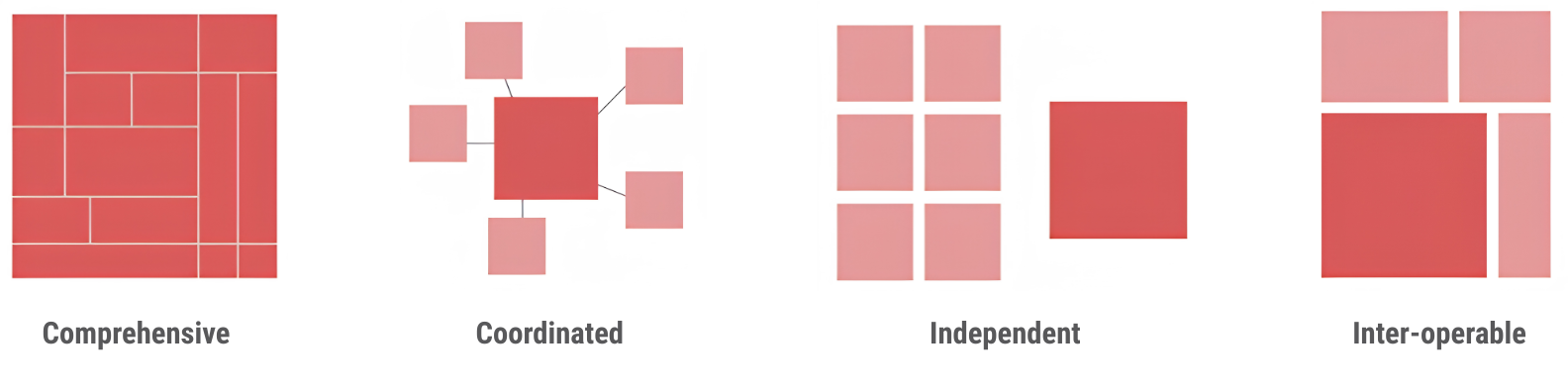
XMSNAs are:
 |
 |
By producing a comparable, crisis-wide dataset representative of needs for all crisis-affected groups, the MSNA informs humanitarian planning & prioritisation at country – and global level.
At country-level, one of the key roles of the MSNA is to inform annual planning and prioritisation. In most cases, this will be through the Humanitarian Programme Cycle (HPC) and its analytical output; the Humanitarian Needs and Response Plan (HNRP), but it could also be a Refugee Response Plan (RRP) or similar. MSNAs are also designed to feed into the Integrated Food Security Phase Classification (IPC) – the multi-stakeholder global initiative and the leading global standard for classifying food insecurity and acute malnutrition to inform decision. Implementation of the MSNA is coordinated and aligned with the timeline of planning & prioritisation processes it seeks to inform.
At global level, the MSNA analytical framework – the Multi-Sector Needs Index (MSNI) – was developed to produce a set of standardised, predictable and comparable metrics on the magnitude and severity of needs across different crises, with the purpose to inform global aid allocation decisions.
 |  |  |
We thank our many national and international partners for their support in the implementation of the 2025 MSNAs.
| ————————————— |  | ————————————— |
|
|
|
|
|
And many more! |
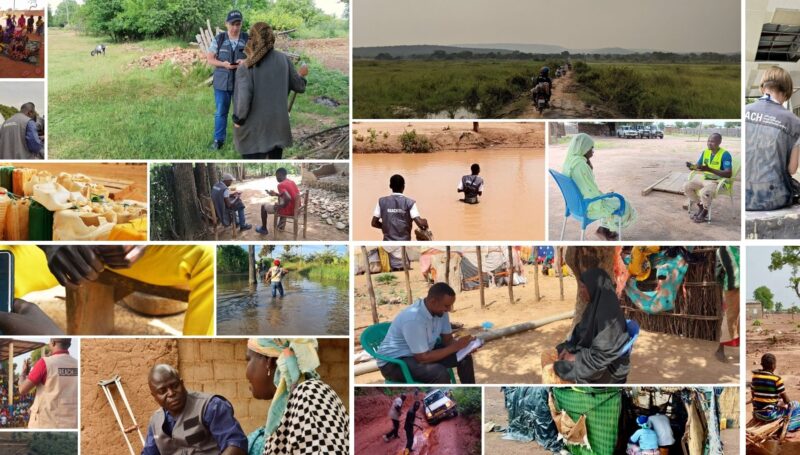
For nearly a decade, IMPACT – through its REACH initiative – has been conducting Multi-Sectoral Needs Assessments (MSNAs) in an increasing number of crisis contexts. But what is an MSNA,...
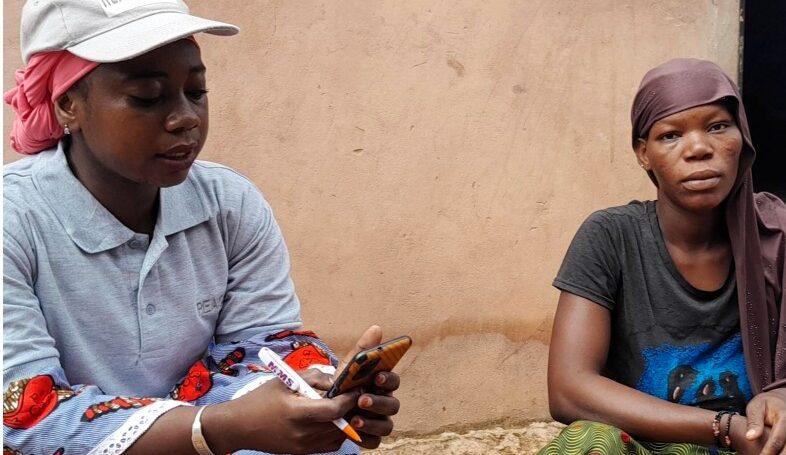
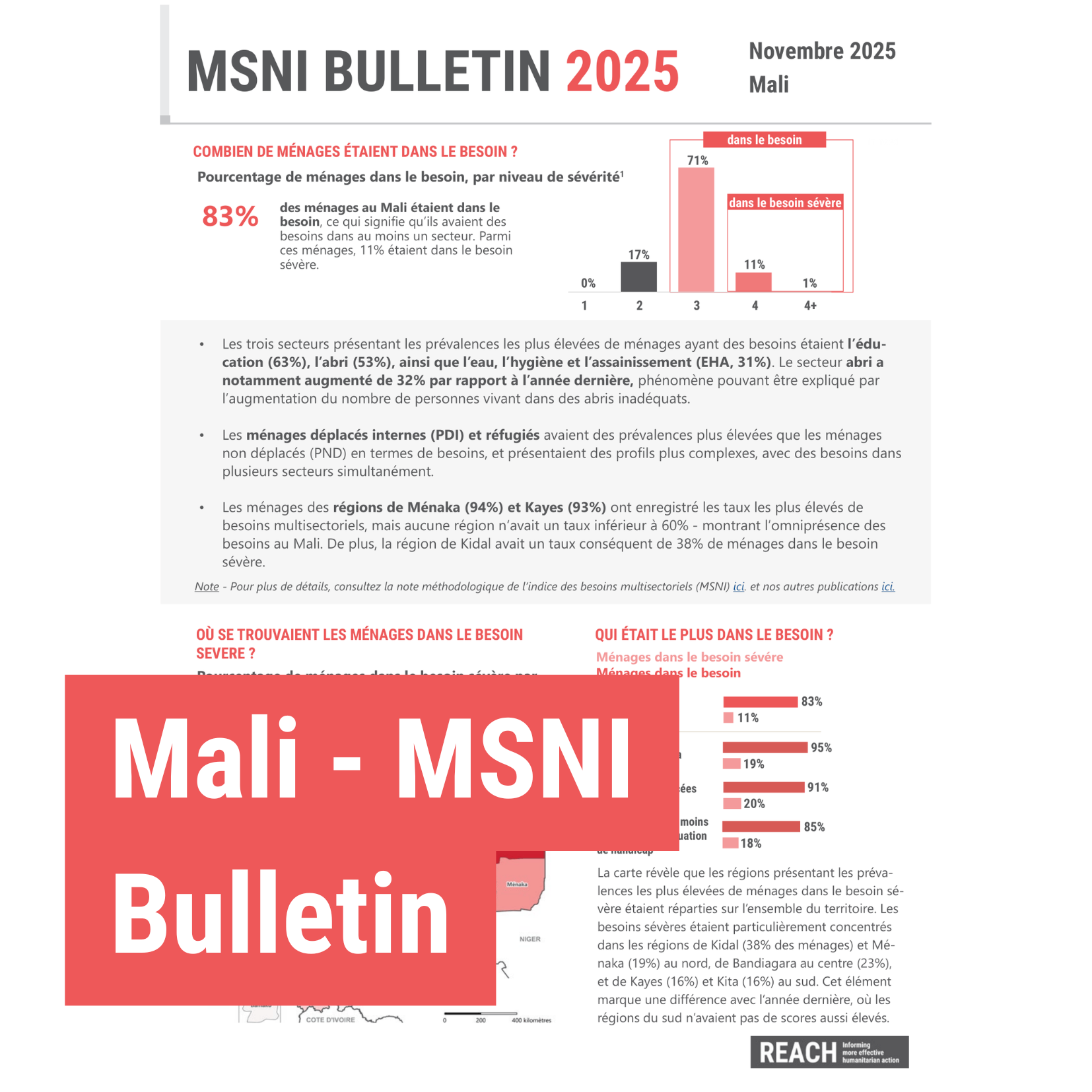
Au Mali, 83% des ménages sont considérés dans le besoin, soit 9% de plus qu’en 2024 au niveau national. C’est le résultat de l’indice multisectoriel des besoins (MSNI) qui s’appuie...
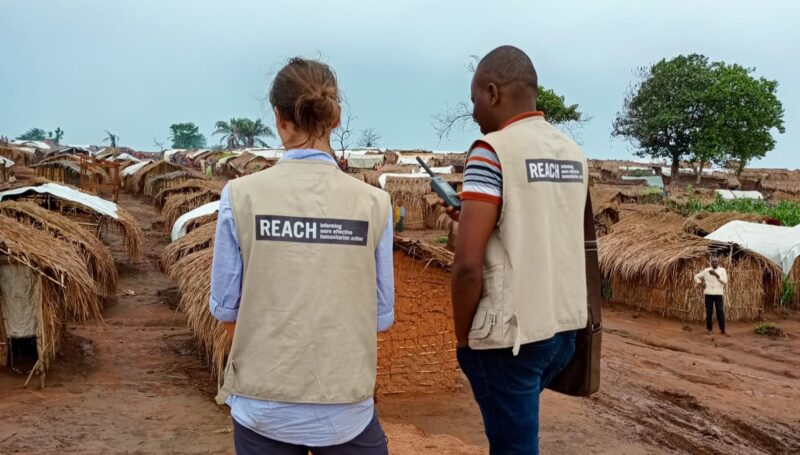
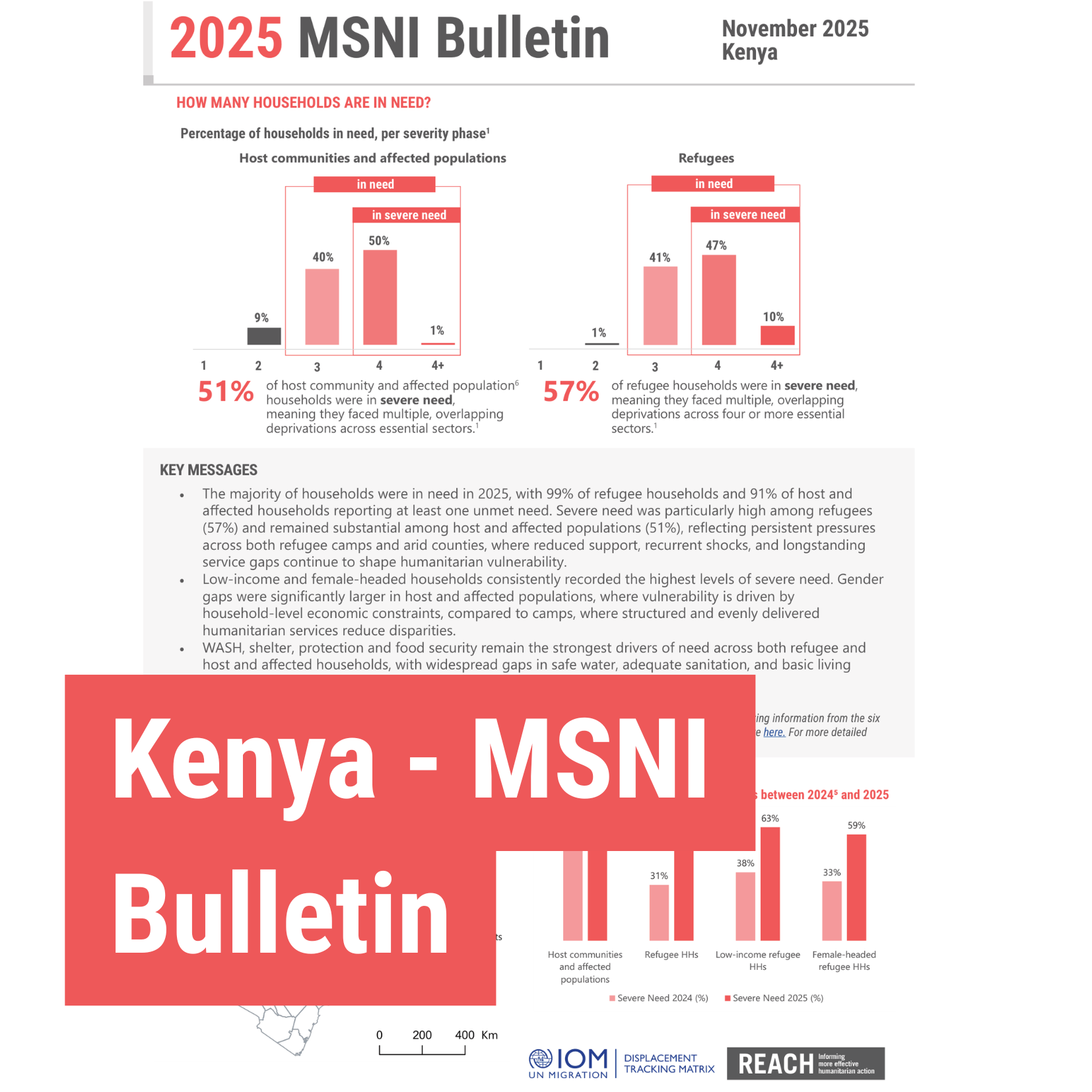
In Garissa, Mandera, Marsabit, and Turkana counties, 99% of refugee households and 91% of host and affected populations reported at least one unmet need. The share of refugee households facing...
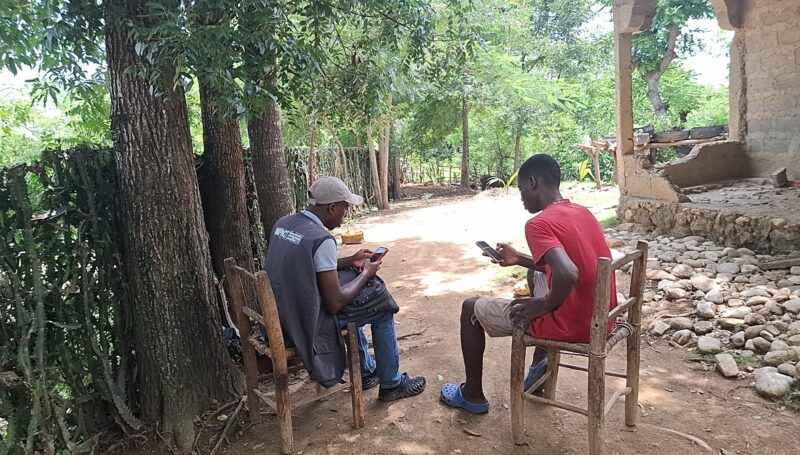
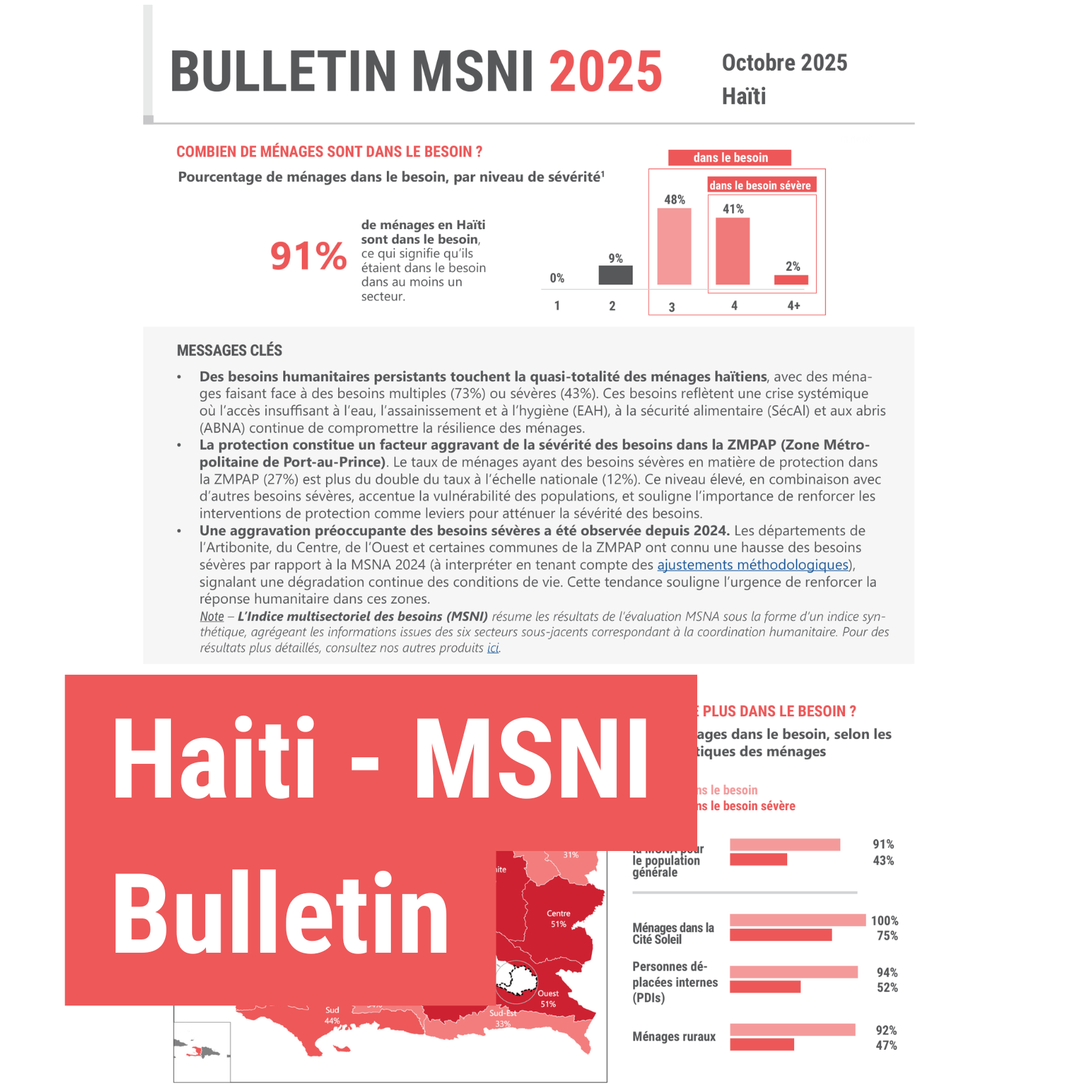
91% des ménages en Haïti sont considérés dans le besoin. C’est le résultat de l’indice multisectoriel des besoins (MSNI) qui s’appuie sur la MSNA (Multi–Sector Needs Assessment), conduite par REACH...