

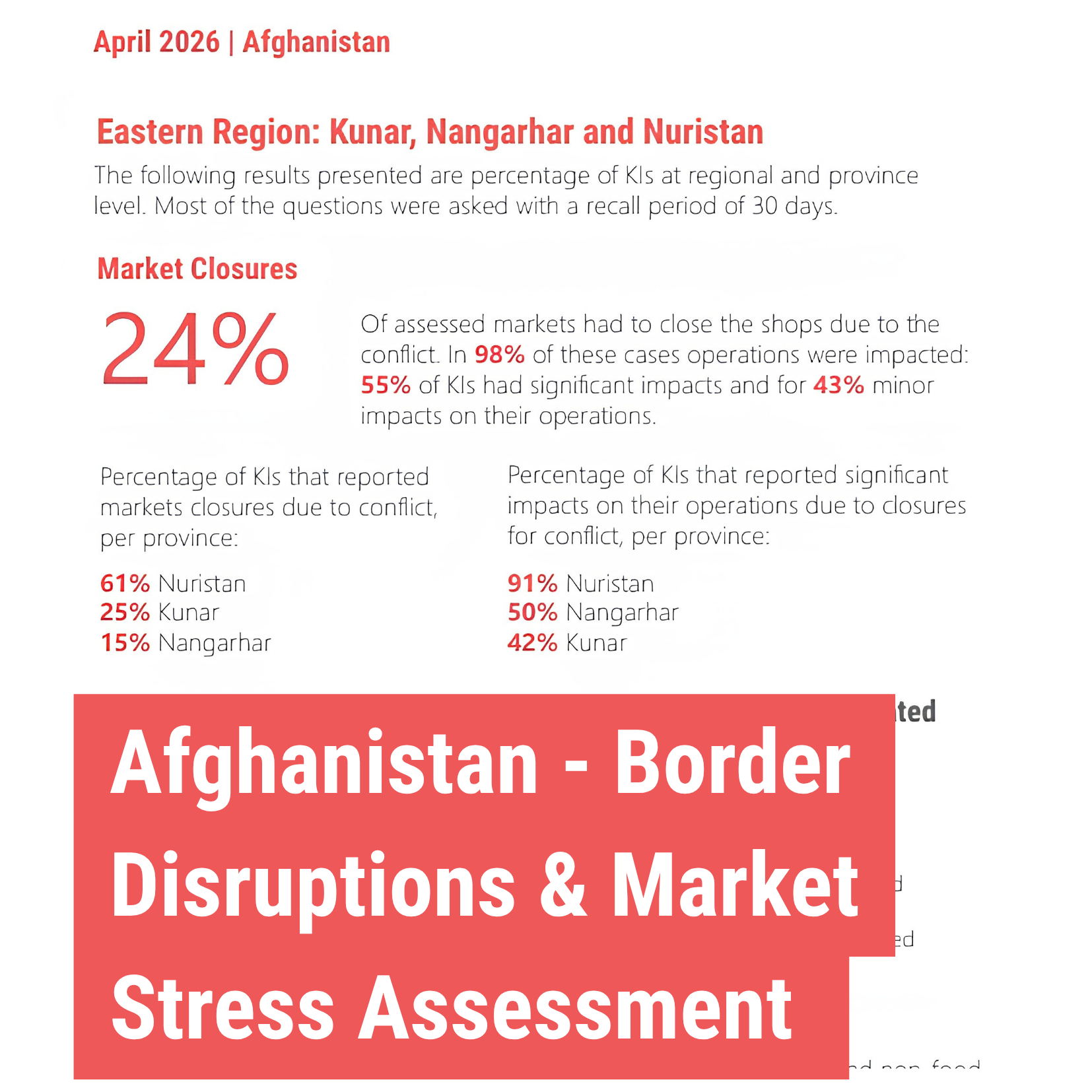
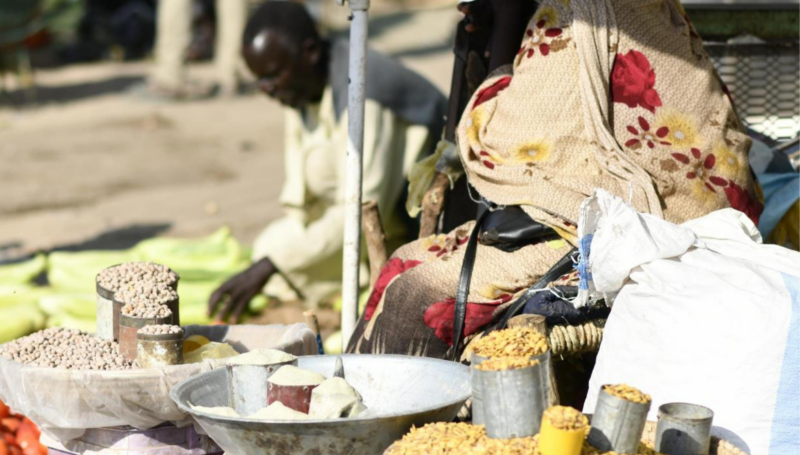
| Markets are central to how crisis-affected households meet their basic needs — from buying food and accessing essential services to earning income. Humanitarian actors can support these households through market-based programming (MBP), which strengthens existing market systems and livelihoods. Cash and voucher assistance (CVA) represents the most common modality, providing crisis-affected households with financial resources to meet their needs through local markets. |
|
In the global context of rising needs and declining funding, ensuring that humanitarian assistance is effective and aligned with communities’ preferences is crucial, and in many contexts, CVA is a strong way forward.
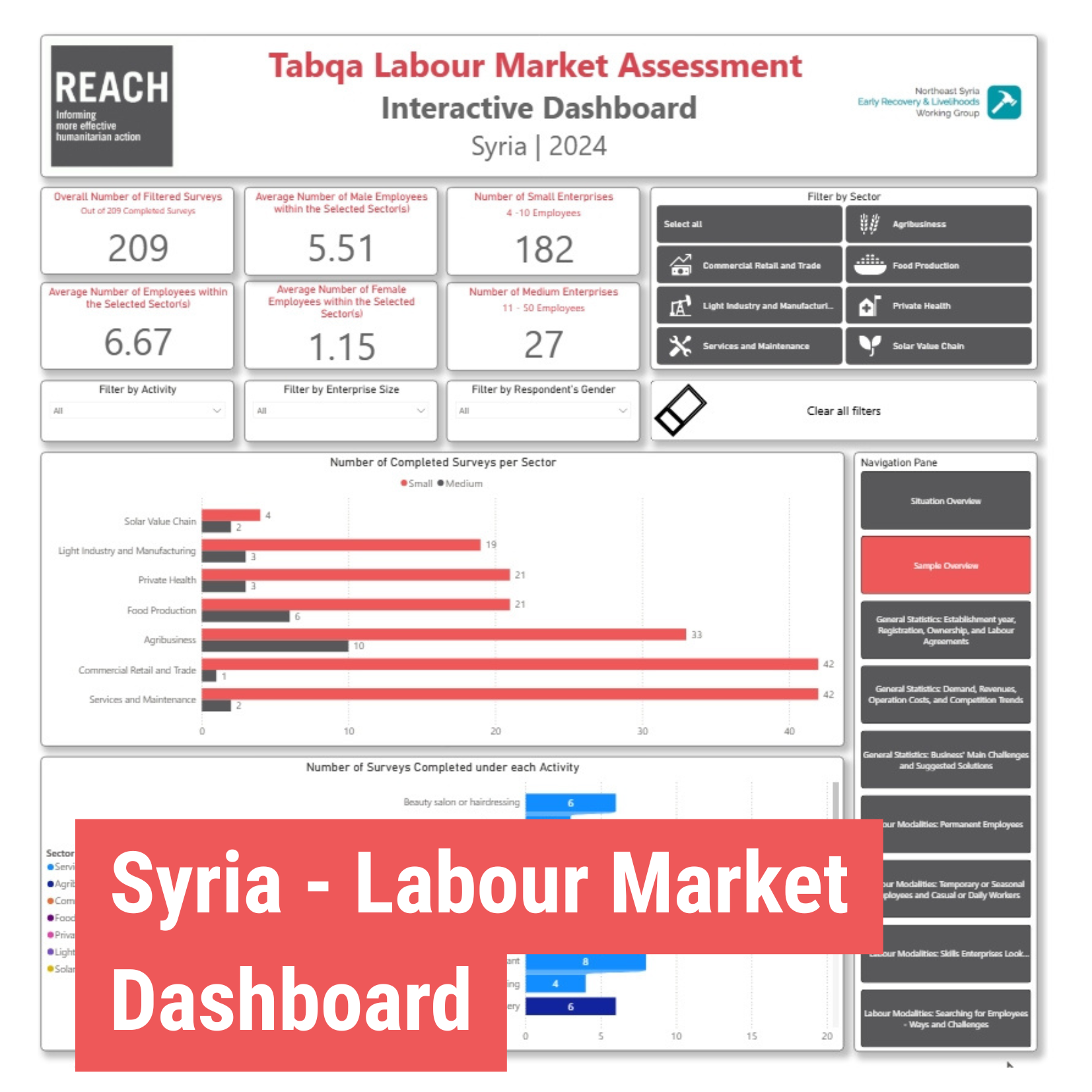
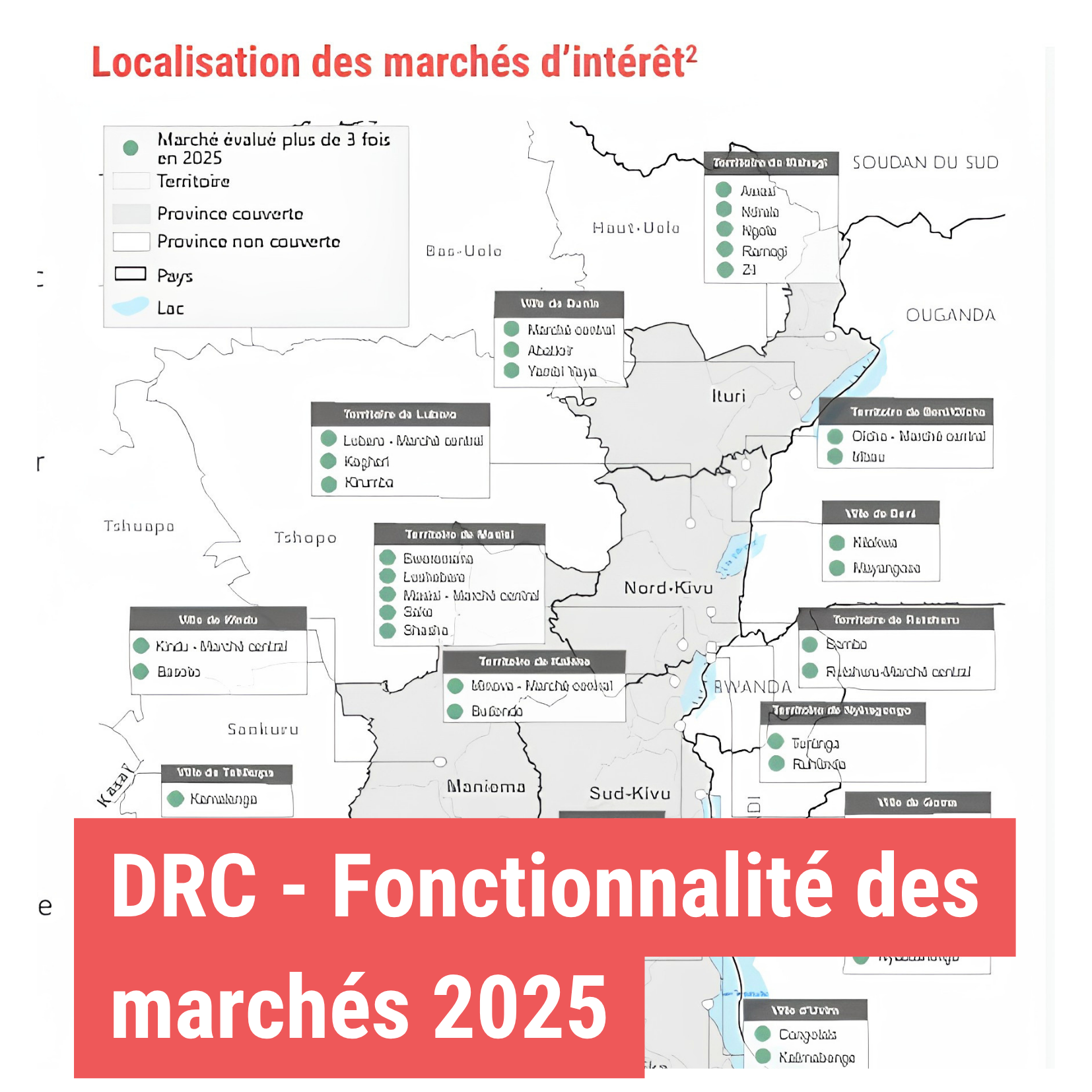
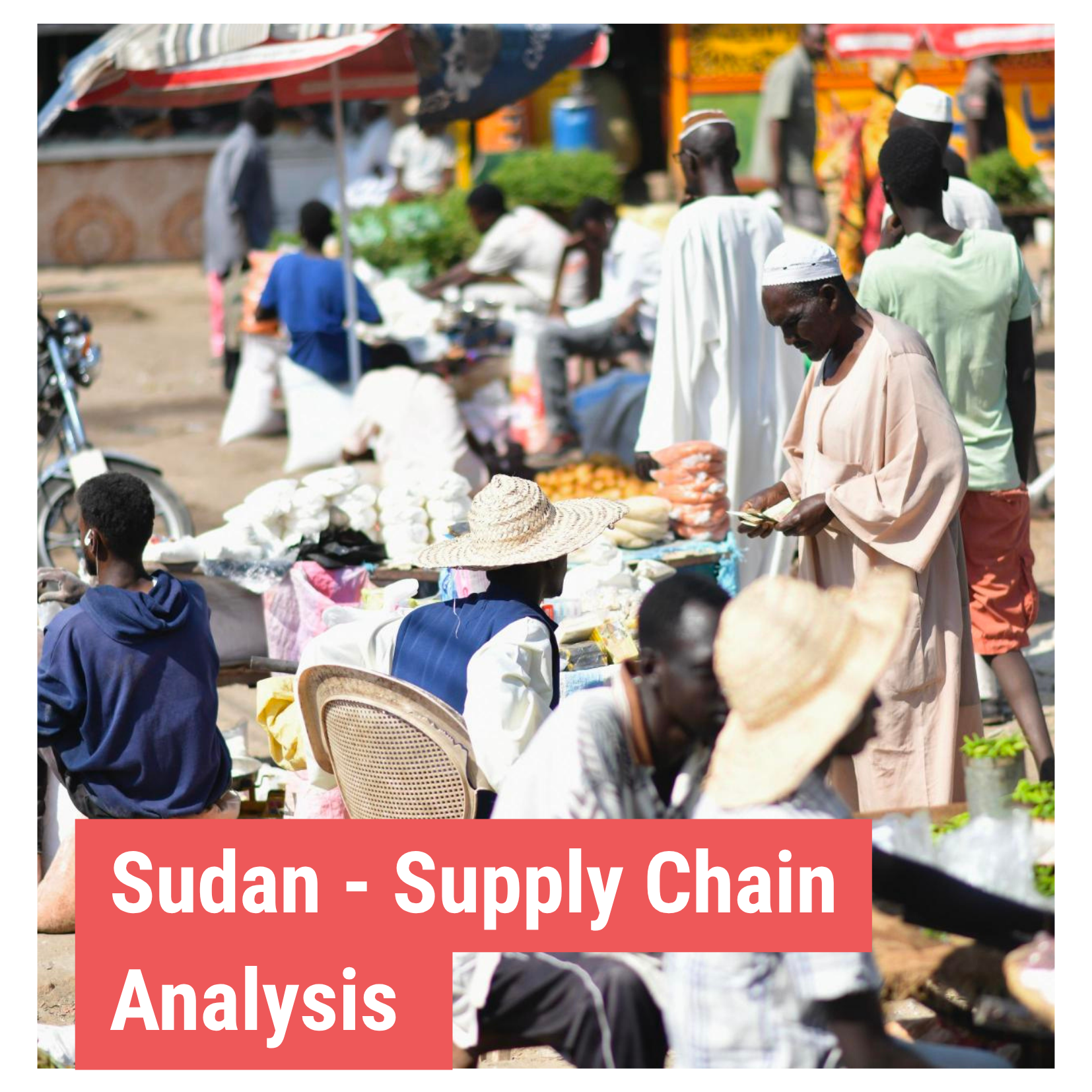
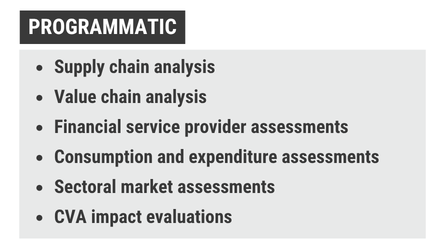
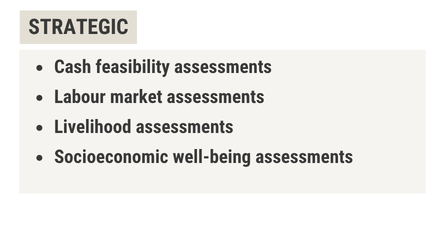
IMPACT Initiatives supports cash and markets activities through a range of research projects, helping humanitarian actors assess how markets can meet the needs of crisis-affected households, including:
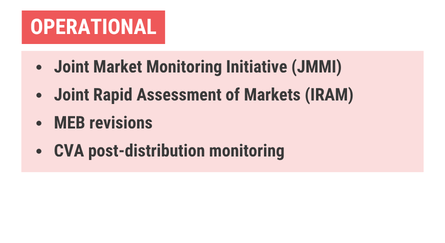 |  |  |
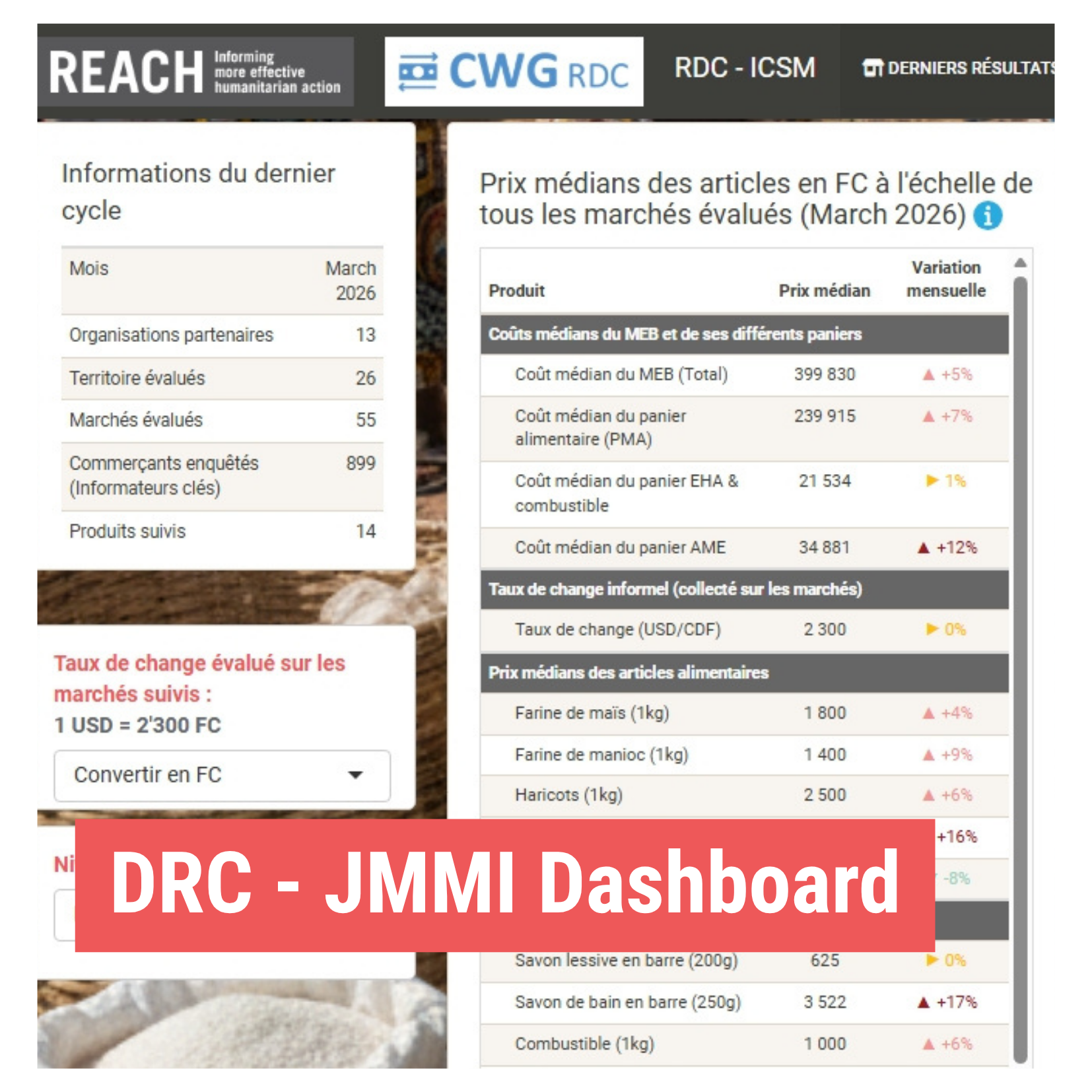
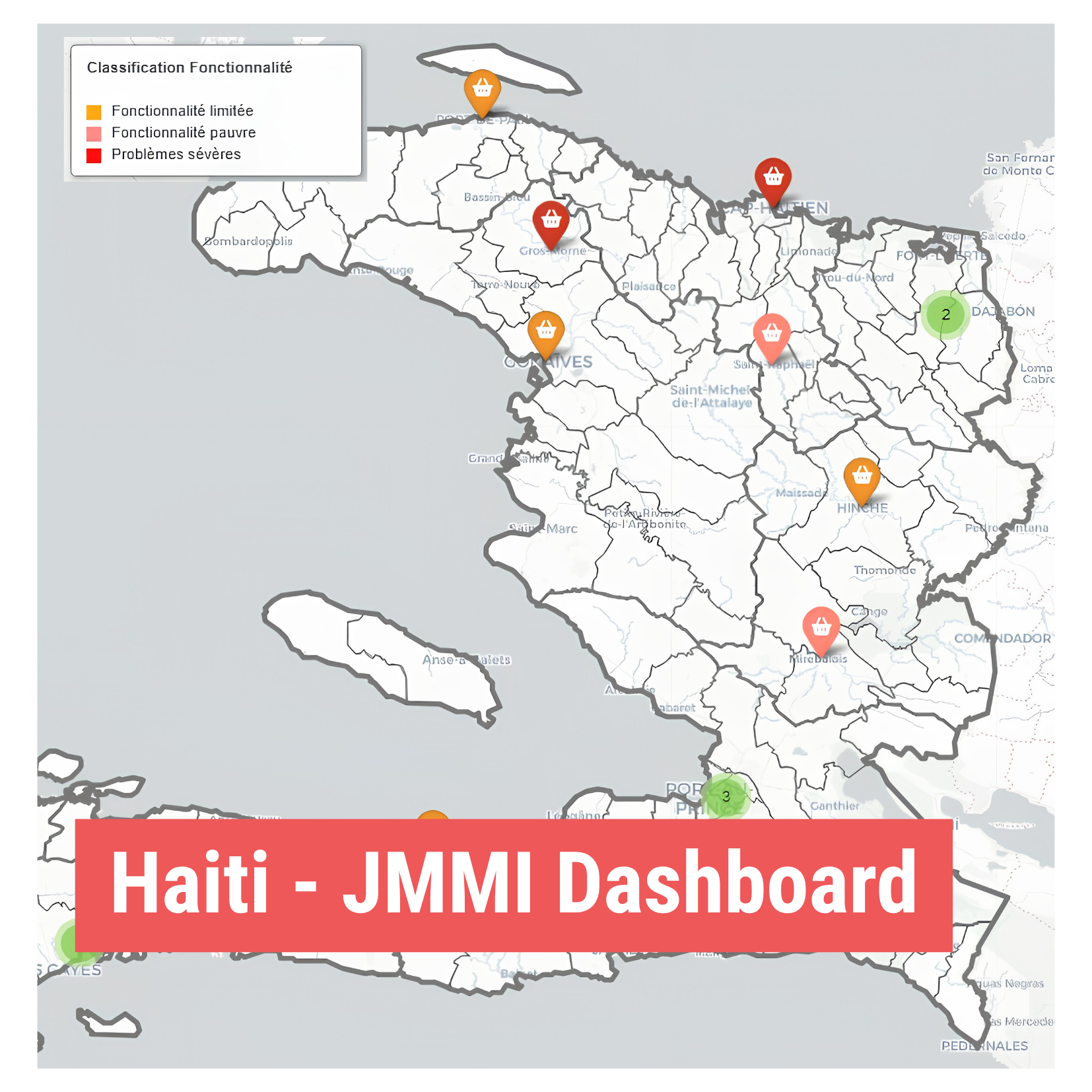
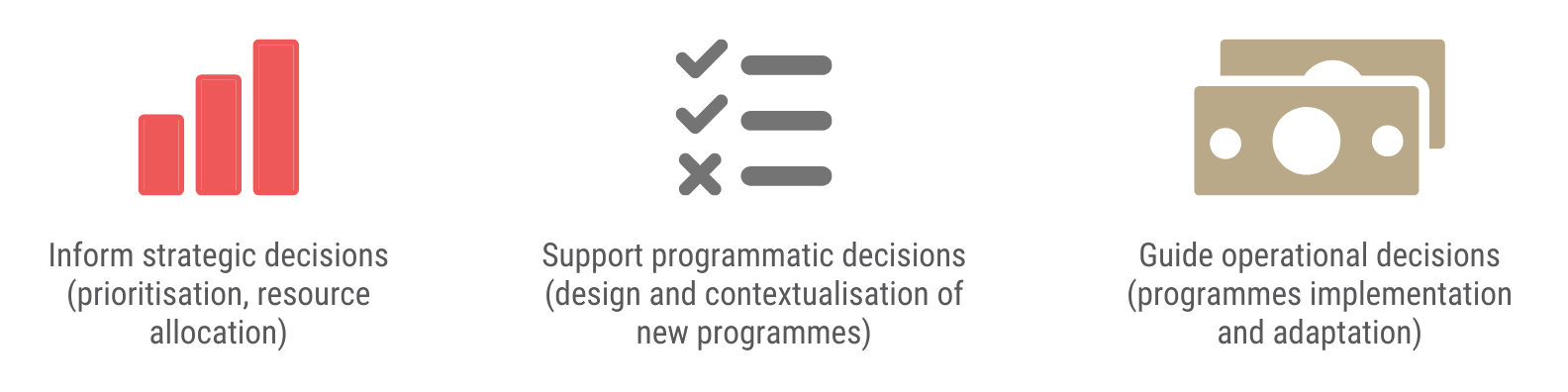
To monitor the effects of a crisis and assess availability, prices, and market access, IMPACT, through its REACH initiative, developed the Joint Market Monitoring Initiative (JMMI). It brings together CVA actors to provide key data on market prices and functionality to support CVA programming.
The assessment methodology is designed to regular information on commodity prices, vendor operations, and market functionality to assess how markets are functioning, how stable prices are, and whether supply can meet demand. In short, the JMMI helps determine the most appropriate response, including in-kind assistance versus cash and voucher assistance.
 |
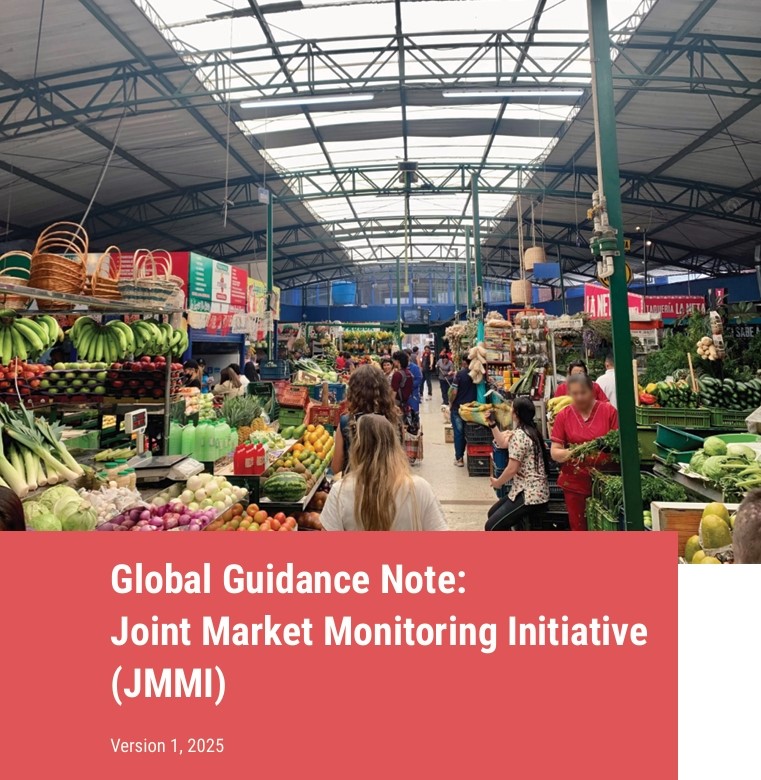
| To provide a comprehensive overview of this approach and methodology, REACH has published a JMMI Global Guidance Note, bringing together more than 10 years of experience designing, implementing, and refining JMMIs. |
|