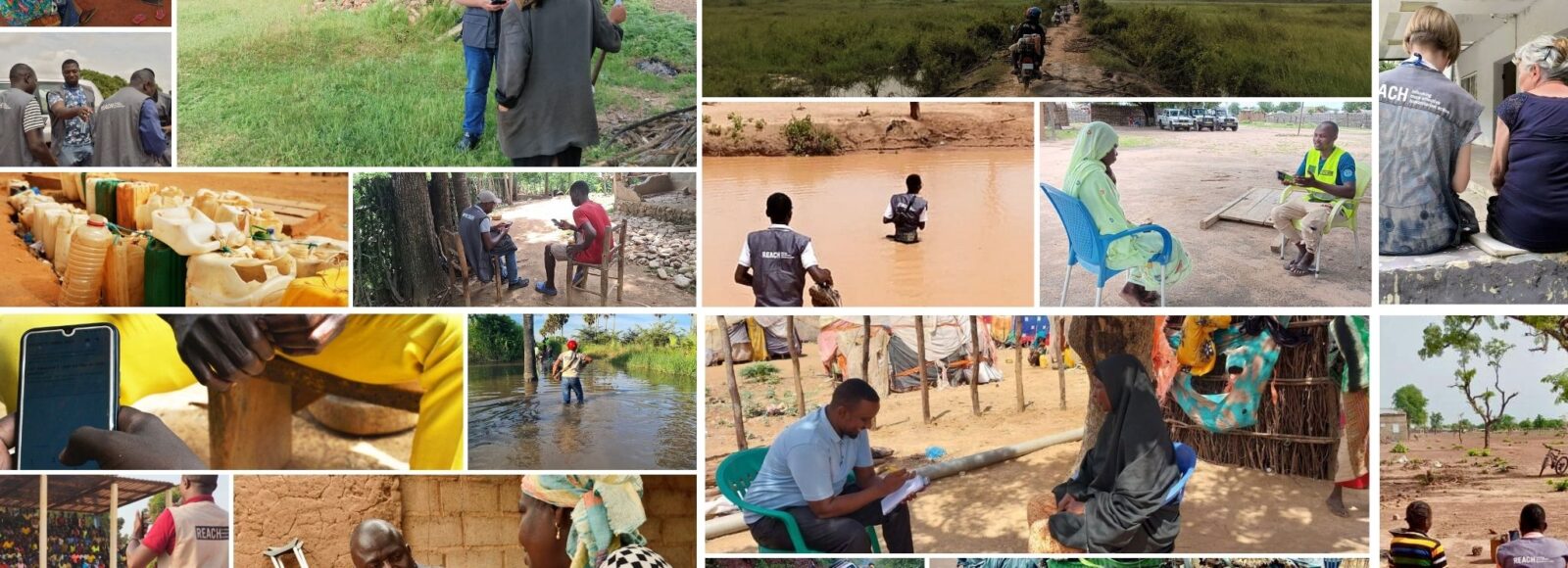
For nearly a decade, IMPACT – through its REACH initiative – has been conducting Multi-Sectoral Needs Assessments (MSNAs) in an increasing number of crisis contexts.

But what is an MSNA, and what is it for?

An MSNA is a rigorous and comprehensive multi-sectoral needs assessment designed to analyse the severity and magnitude of the needs of crisis-affected populations. It is based on an extensive data collection process and provides critical evidence to humanitarian decision-makers at both country and global levels.

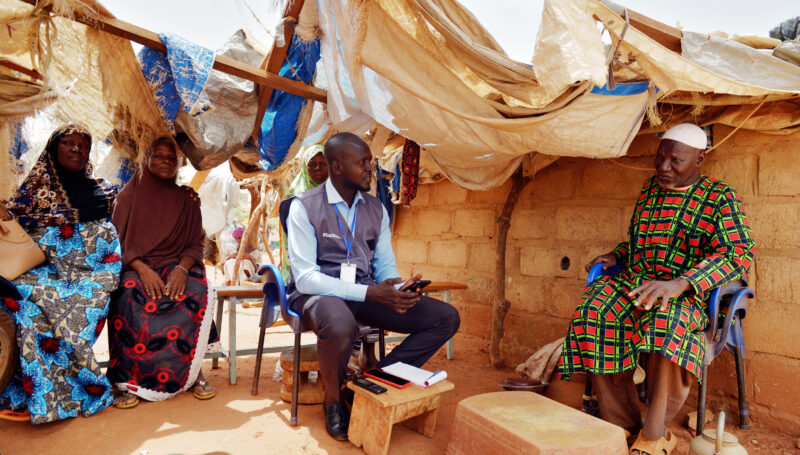
In a context of growing needs and limited resources, Multi-Sector Needs Assessments remain a cornerstone of evidence-based humanitarian response. In 2025 with our partners’ support, MSNAs are being conducted in 13 countries, gathering information directly from affected communities to ensure humanitarian responses are aligned with their needs across multiple sectors such as health, food security, education, shelter, and WASH.

Our teams are already sharing preliminary results with humanitarian partners to inform their decisions, with further analysis to follow.

Explore how the MSNAs are contributing to 2025 humanitarian planning in the storymap below (or accessible in full screen here, and in French here).
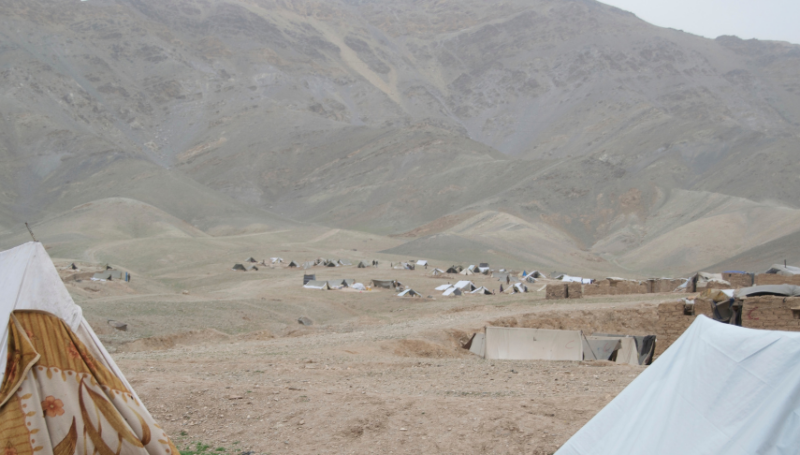
Access all MSNA products on our Resource Centre.

Related News

Who Defines Humanitarian Needs? Rethinking Tools to Put Communities First

General, Global news / 11 May 2026

Who Defines Humanitarian Needs? Rethinking Tools to Put Communities First

In a system facing growing humanitarian unmet needs and shrinking resources, community participation is frequently cited as a cornerstone of the Humanitarian Reset. Yet in practice, the challenges and priorities expressed by crisis-affected people...

Mapping Climate Hazards Across Uganda’s Refugee-Hosting Districts

Country news, General / 29 April 2026

Mapping Climate Hazards Across Uganda’s Refugee-Hosting Districts

In recent years, Uganda, which hosts one of the largest refugee populations in Africa, has faced increasing exposure to climate hazards, including heavy rains and prolonged dry spells. The unpredictability and variability of these hazards...

New MOOC: Best Practices for Applied Quantitative Research in Humanitarian Contexts

General, Global news / 9 April 2026

New MOOC: Best Practices for Applied Quantitative Research in Humanitarian Contexts

IMPACT Initiatives is pleased to announce the launch of its first Massive Open Online Course (MOOC), Best Practices for Applied Quantitative Research in Complex Contexts. Developed using insights from over...