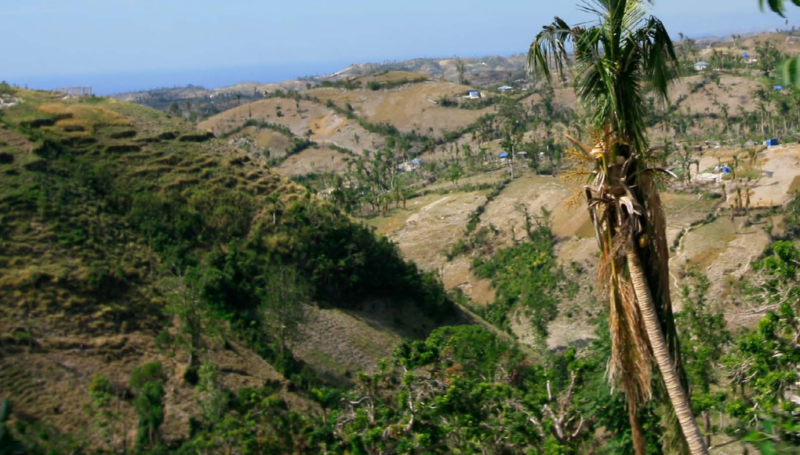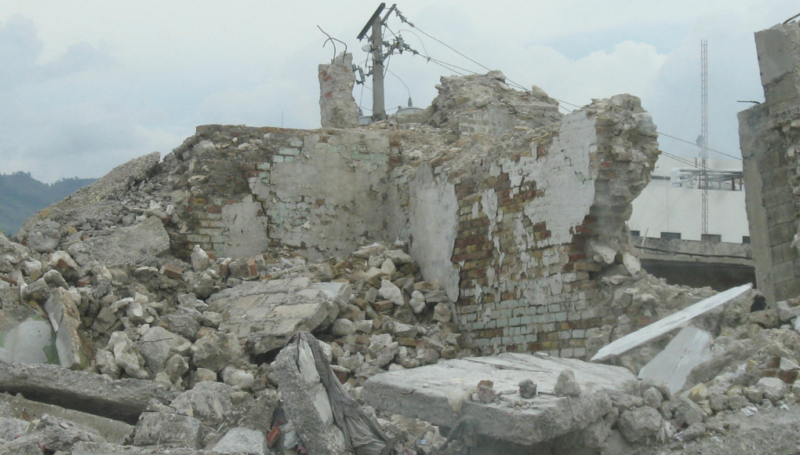


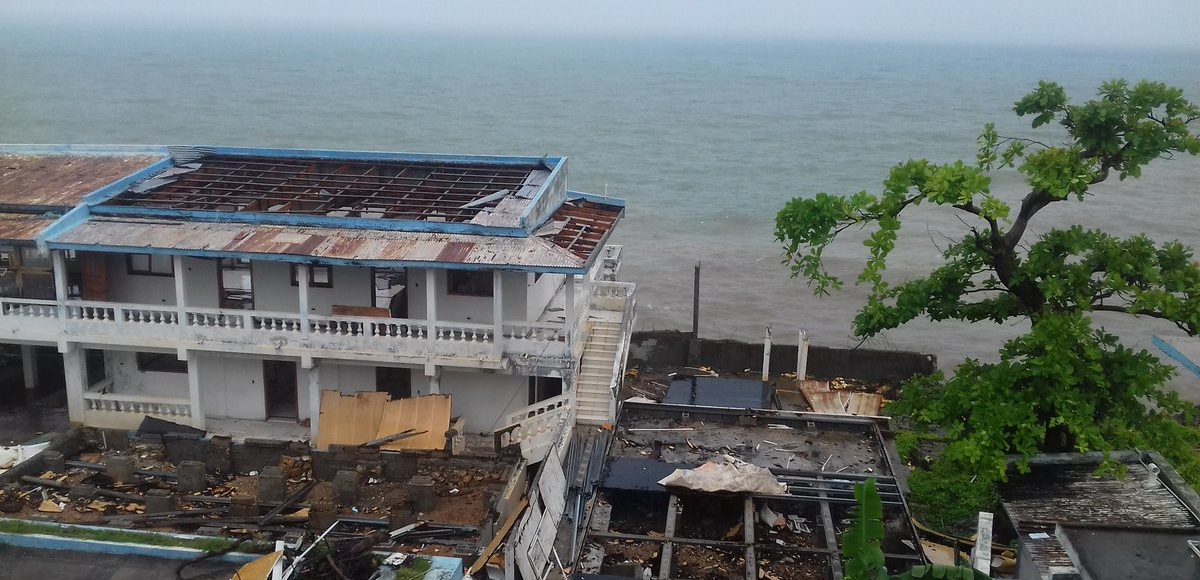

 On October 3, 2016, Haiti’s southern tip was struck by Hurricane Matthew, the most violent hurricane in the past 10 years. So far, as a direct result of the hurricane, 2.1 million people, including almost 900,000 children, are affected, and 1.4 million people are in need of humanitarian assistance. The entire population of the Grand Anse Department (468,000 persons), where Jérémie is the main city, was affected. The Sud Department was also victim of the hurricane, with 775,000 persons affected. 80% of the populations in Grand Anse and 60% in Sud needs urgent humanitarian aid.
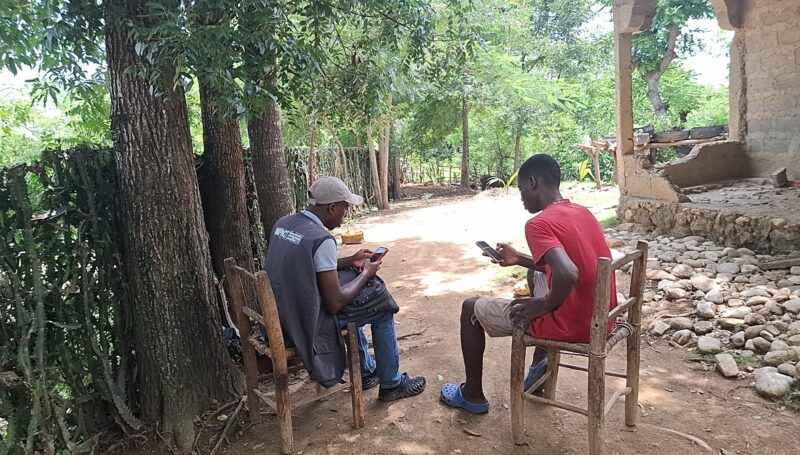
In order to support humanitarian planning, from October 31 to November 2, REACH teams in Haiti conducted a rapid assessment of 15 schools currently being used as collective centres for displaced populations in the city of Jérémie. In each assessed school, qualitative information was collected through group discussions with a cross-section of representatives from each community of origin who were residing in the school. The information gathered is complementary to other ongoing data collection efforts by REACH and partners, focusing primarily on the place of origin of displaced populations, their intentions and preferred modalities of aid to support returns.
Key findings on IDPs profiles and intentions indicate that in most assessed schools, the vast majority of residents come from surrounding neighbourhoods heavily affected by the hurricane, highlighting they would like to return to their homes as quickly as possible. Most commonly reported reasons for staying in collective centres are the current inhabitability of their homes, and that receipt of humanitarian assistance seems to be easier from those centres. Findings show that in the vast majority of cases IDPs would need minimal support to return to their homes, requesting minimal items to cover the roof, be it tarpaulin, CGI and/or wood, or equivalent financial support to afford such materials, without which returns would be made impossible for IDPs without any other shelter alternative.
It is worth highlighting that collective centres are also hosting individuals who were renting homes and thereby are not in a measure to re-build their homes as this is the responsibility of the landlord. These more vulnerable IDPs are thereby unable to return to their homes, requiring local and international responders to identify alternative shelter solutions for these IDPs, to facilitate their relocation.
REACH teams will continue to monitor and assess displacements, intentions and needs of IDPs in hurricane-affected areas of Haiti in the coming weeks so that useful and timely information can be provided to humanitarian partners and actors in country, in order for them to better plan responses both on short and long term following the occurred disaster.
(L’évaluation rapide est également disponible en Français)