

Benin
Country Overview
| French translation available |
In Benin, the gradual deterioration of the security situation along the borders with Burkina Faso and Niger, combined with population movements from these neighboring countries, highlights the increasingly cross-border nature of the challenges facing the country. These dynamics are further compounded by the activities of non-state armed groups operating across border areas between Benin, Burkina Faso, Niger, and Nigeria. As a result, the northern regions of Benin are experiencing growing security pressures that continue to affect local communities and undermine existing resilience mechanisms.
At the same time, the impacts of climate change are exacerbating existing vulnerabilities. Irregular rainfall patterns, recurring droughts, floods, and the progressive degradation of natural resources are placing increasing strain on livelihoods, particularly among communities that depend heavily on agriculture and livestock production. The combined effects of insecurity, population movements, and environmental pressures are contributing to rising humanitarian needs and reinforcing the importance of maintaining a strong evidence base to inform decision-making and response planning.
In this context, IMPACT, through its REACH Initiative, supports humanitarian information management efforts by strengthening the collection, organization, analysis, and dissemination of data on population needs and humanitarian interventions. This work is carried out in close collaboration with national institutions, particularly the Beninese Civil Protection Agency (ABPC), as well as international partners such as the International Organization for Migration (IOM), with whom IMPACT co-leads the National Data and Information Management Working Group.
To further support evidence-based decision-making, IMPACT develops and maintains data collection, analysis, and visualization tools, including the 5W dashboard for Northern Benin and Rapid Needs Assessment tools designed to support response efforts following humanitarian or climate-related shocks. In addition, the organization conducts assessments on humanitarian needs and environmental risks, contributing to a better understanding of evolving vulnerabilities, improved coordination among stakeholders, and more effective humanitarian, development, and resilience programming across the country.
Research Highlights
| Humanitarian Interventions and Needs in Northern Benin – Storymap February 2026 By providing a clear, up-to-date, and coherent overview of activities carried out by humanitarian actors, the 5W matrix (Who does What, Where, When, and for Whom) centralises information on humanitarian activities in the Alibori and Atacora departments. The 5W facilitates the complementarity of efforts and helps optimise the use of resources by identifying uncovered areas and avoiding duplication. | 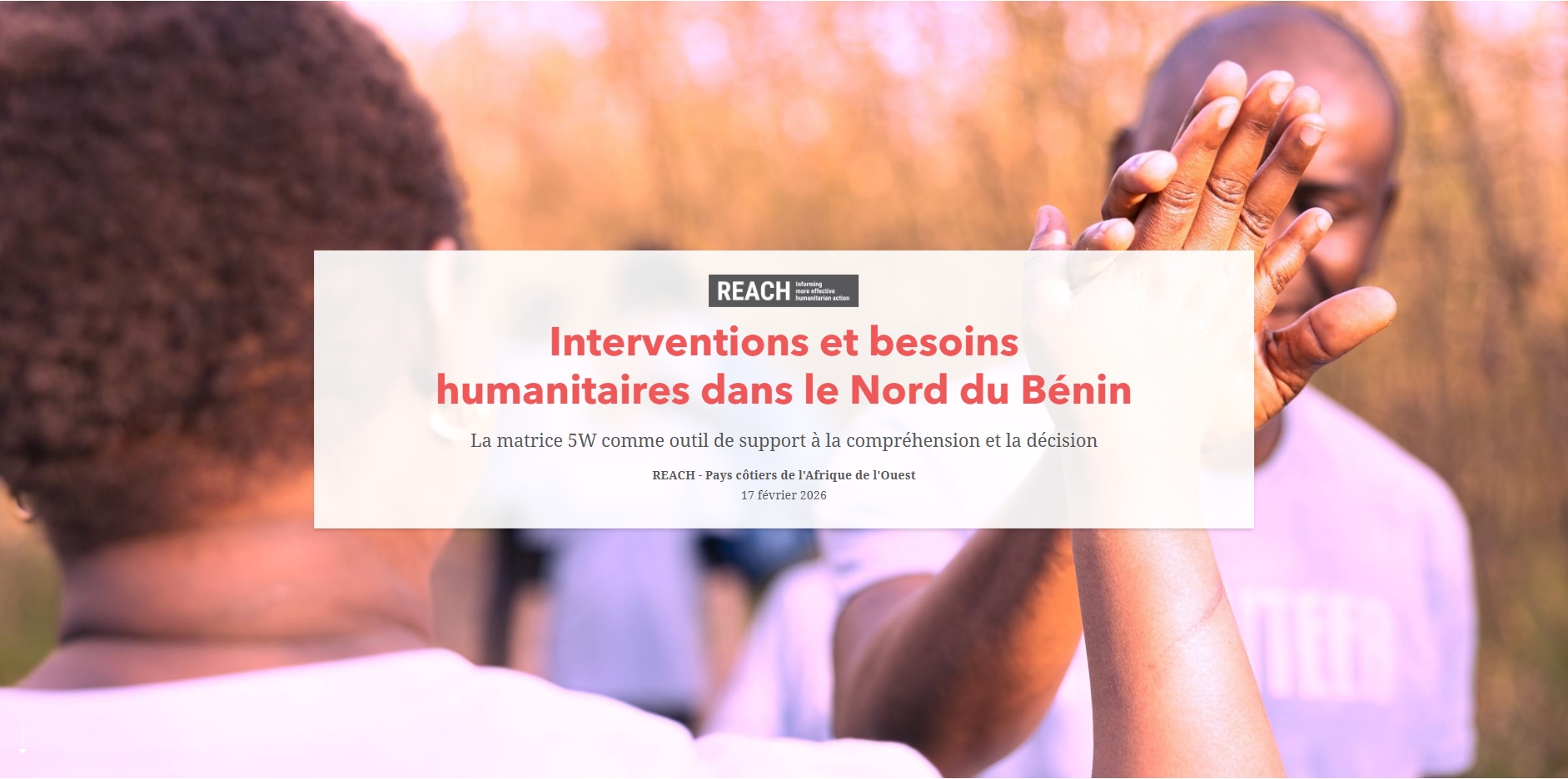 | |
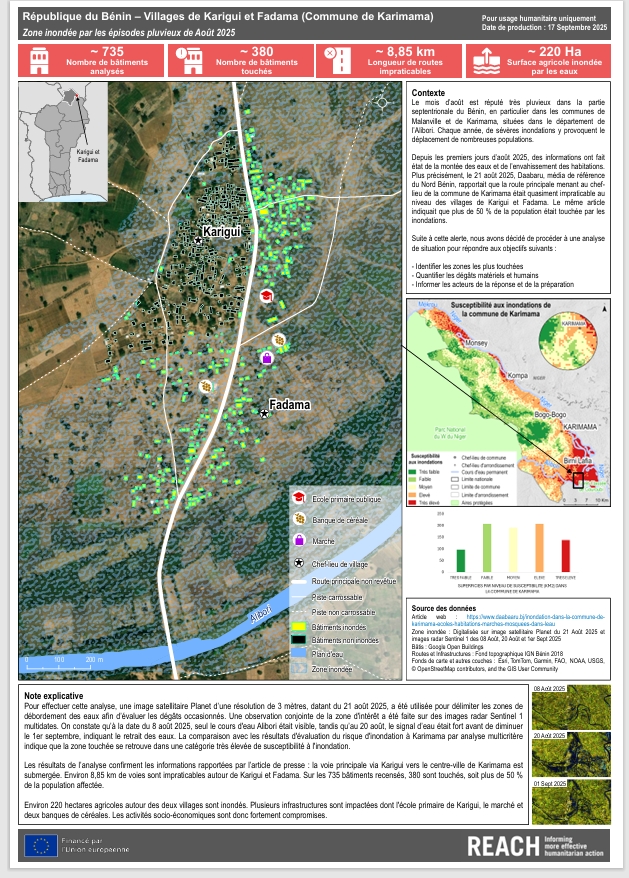
| Assessment of the impacts of the August 2025 rainfall events in Karigui and Fadam (Karimama, Benin) September 2025 Following an alert regarding rising water levels and the flooding of homes, REACH conducted an assessment to:
|  |
Related News
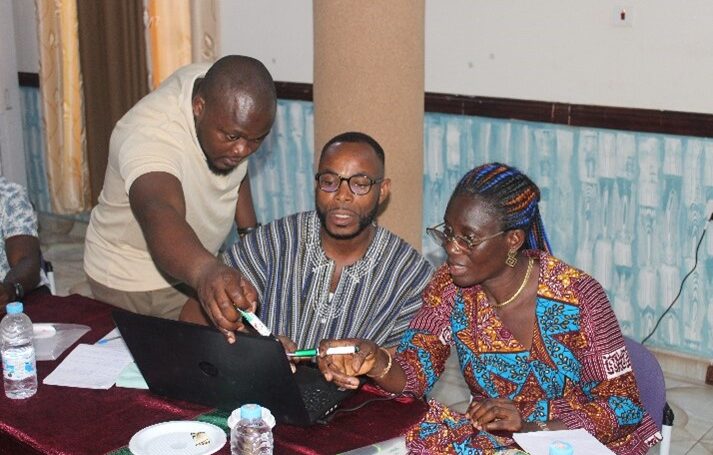
Dans le Nord des pays côtiers, un renforcement des compétences pour accompagner les acteurs de la réponse
Avec le soutien de l’Union Européenne, IMPACT Initiatives met en œuvre depuis avril 2024 un programme régional de renforcement et de gestion des systèmes de suivi des évaluations et des...