

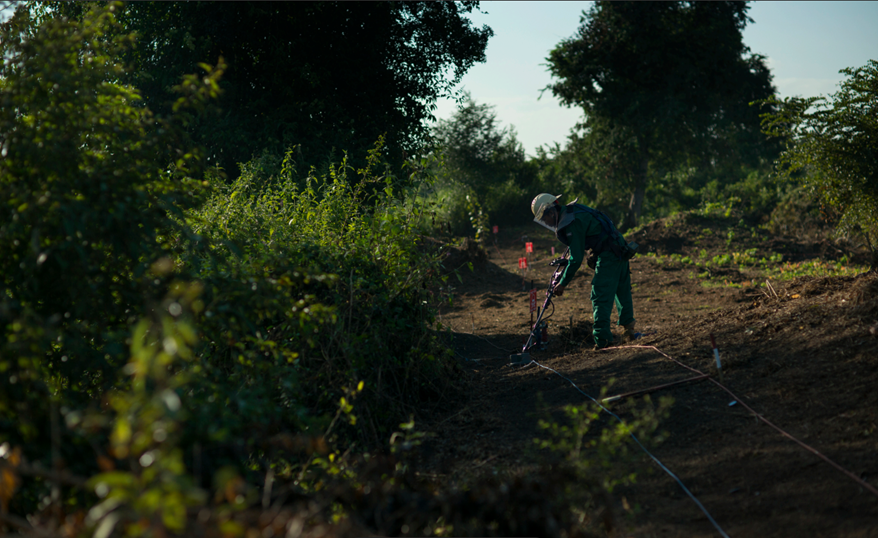

Humanitarian Mine Action (HMA) plays a vital role in addressing the immediate and long-term impacts of landmines and unexploded ordnance (UXO), restoring access to land and enabling communities to rebuild their livelihoods. Safe access to land enables increased agricultural production to meet the demand of local and national markets, contributing to food security and food systems.
However, the environmental and social impacts of these clearance activities are often understudied, leaving gaps in understanding how land use changes post-clearance and influences broader ecological and community systems. In Cambodia and globally, post-clearance land use changes — including agricultural expansion, deforestation, and soil degradation — risk undermining the long-term sustainability of cleared land and resilience goals.
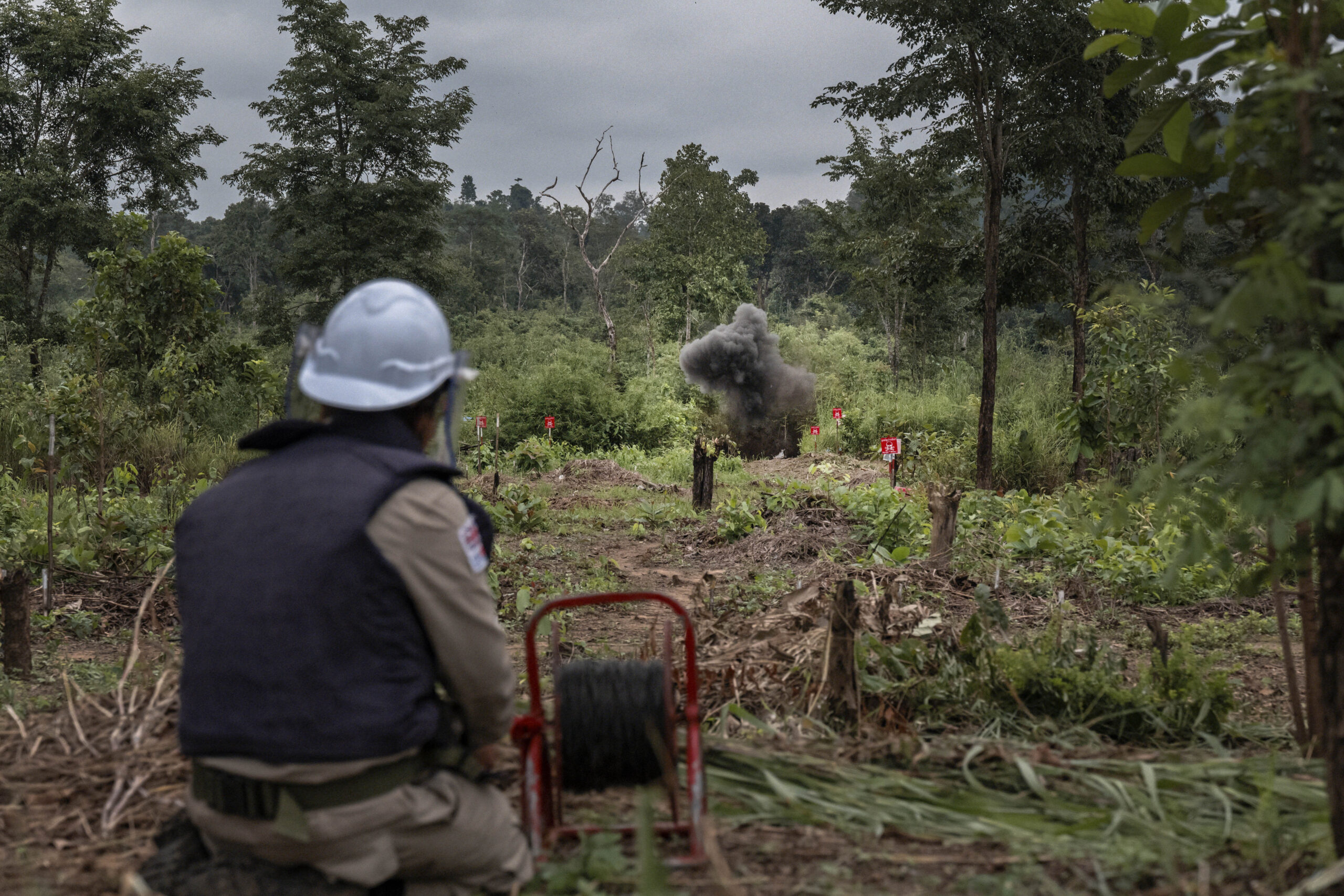
To address this knowledge gap, IMPACT partnered with the MAG (Mines Advisory Group), supported by the United Kingdom’s Foreign, Commonwealth and Development Office (FCDO), conducted a pioneering environmental impact study in Cambodia. The research aimed to systematically assess how MAG’s mine clearance activities between 2014 and 2023 have influenced land use, biodiversity, soil health, and carbon dynamics – by combining geospatial analysis of remote sensing data with participatory community engagement.
This study reveals that mine clearance, while essential for human safety and economic recovery, can also drive unintended environmental degradation if not accompanied by proactive environmental safeguards:
- Land cover change is a significant consequence of mine clearance activities. Cleared areas experienced a rapid transition from forest and shrubland to agricultural land, often beginning even before formal clearance occurred. This trend highlights the strong livelihood pressures on local communities and suggests that clearance activities act as a catalyst for accelerated land transformation.
- Vegetation loss was also substantial. Community members reported a noticeable disappearance of forest resources, such as medicinal plants and wild foods, and an increase in invasive plant species, all contributing to a decline in local biodiversity.
- Clearance activities (and subsequent agricultural practices) cause widespread soil degradation and thus undermine the long-term productivity of the land. Soil compaction, loss of moisture retention, and increased erosion were common across cleared sites. This was further corroborated by community perceptions, which noted a decline in soil fertility, greater reliance on chemical fertilizers, and an increased risk of agricultural runoff affecting water quality.
- Additionally, clearance activities contributed to the loss of carbon sequestration potential, with significant declines in biomass and Net Primary Productivity (NPP) observed across the study areas. Communities also reported localized increases in temperatures and reduced availability of natural shade following vegetation removal.
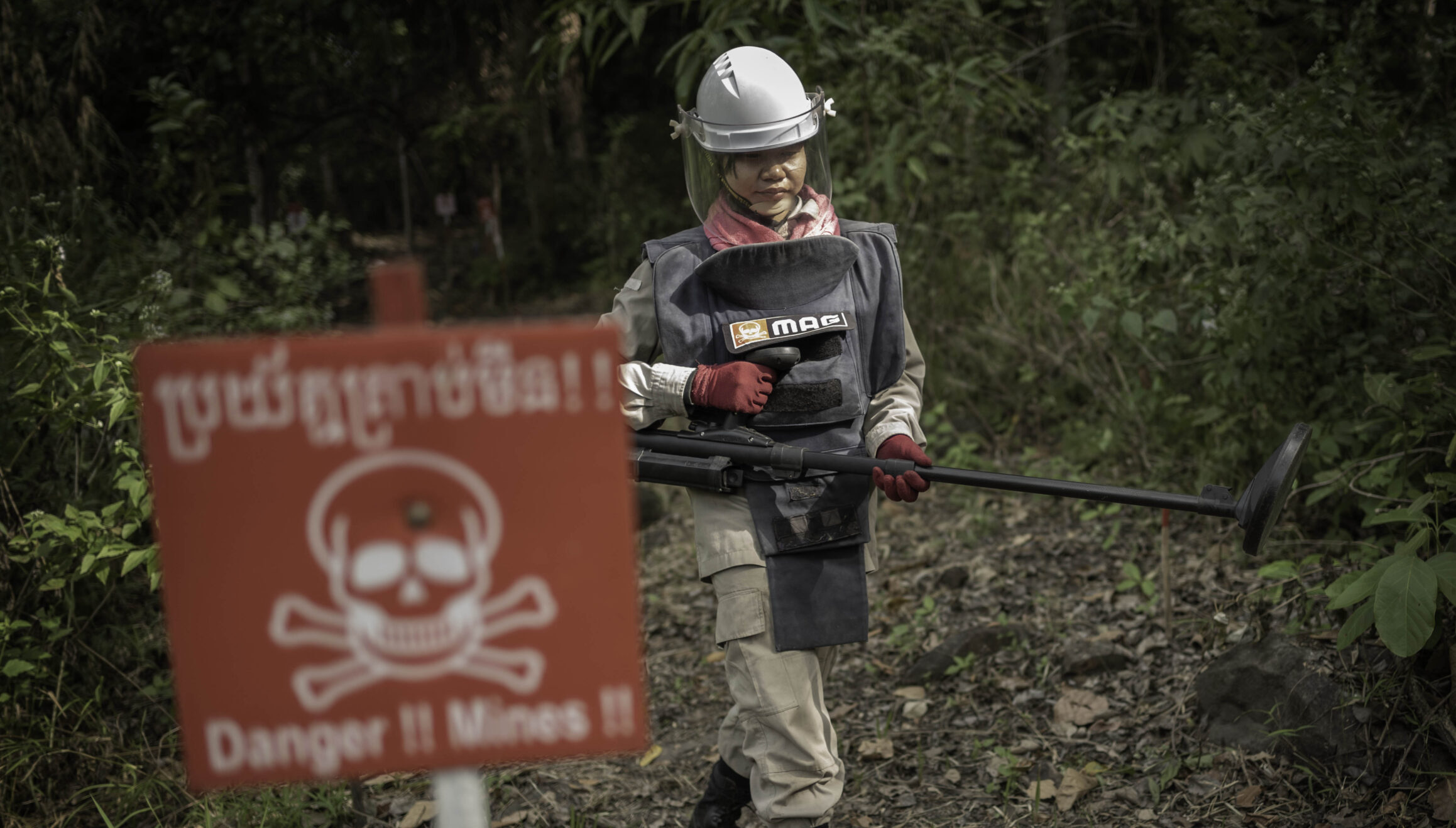
While communities overwhelmingly viewed mine clearance as positive in terms of improving safety and enabling agricultural expansion, they also expressed concern about the environmental degradation that followed.
Without complementary environmental management practices, clearance activities can unintentionally reduce land resilience, diminish long-term agricultural viability, and increase vulnerability to climate-related stresses.
There is an urgent need for mine action programs to integrate environmental safeguards and sustainable land management strategies into all phases of clearance operations – for example by:
- Minimizing vegetation clearance during operations, especially in biodiverse areas
- Adapting clearance methods to avoid heavy machinery where possible, to reduce soil compaction and preserve ground vegetation
- Training clearance teams on environmental impacts, including identification and protection of key natural features
- Collaborating with communities post-clearance to support soil restoration and control the spread of invasive species, using tools like mulching or managed reforestation.