

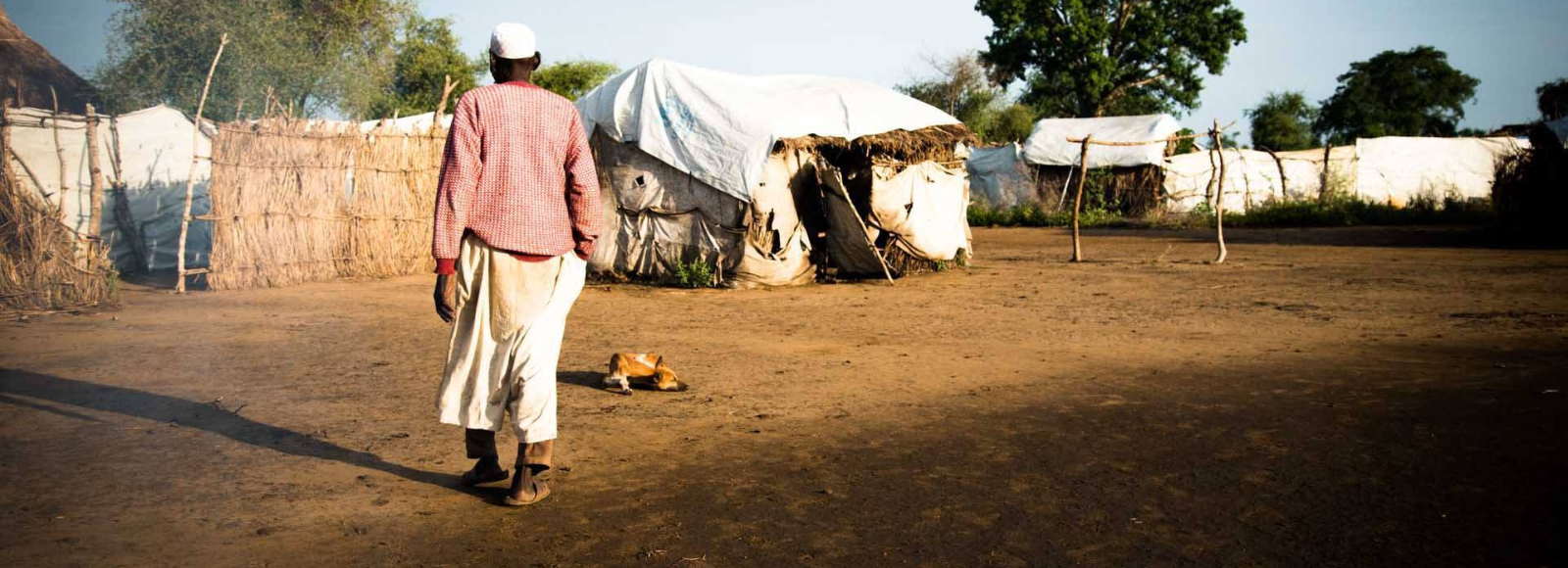

The latest Area-Based Assessment (ABA) for Malakal Town, South Sudan, conducted by IMPACT, via its initiative REACH, highlights the critical challenges confronting both returnees and host communities in the aftermath of recent conflicts. With Malakal serving as a key transit center for returnees escaping the violence in Sudan, the town’s already limited infrastructure is under increasing strain. The influx of new arrivals has exacerbated existing issues in essential services such as water, sanitation, education, and market access, revealing significant gaps that need urgent attention.
Key findings include:
- Water access remains a significant challenge, with nearly half of the residents reporting that fetching water takes over an hour. This prolonged time burden reflects the inadequacy of functional water points and the need for immediate repairs and enhancements.
- Sanitation facilities are largely inadequate, with many non-functional latrines and a shortage of functioning handwashing stations. This gap poses severe health risks, especially in densely populated areas where hygiene is crucial to prevent disease outbreaks.
- Educational access is hindered by a lack of facilities, with many students dropping out due to the distance to schools and the condition of existing infrastructures. The shortage of accessible and functional educational facilities limits opportunities for children to continue their studies.
These findings highlight the urgent need to enhance water and sanitation infrastructure, improve educational access, and ensure a functional market environment. Addressing these gaps is essential for fostering resilience and recovery in Malakal Town as it continues to receive returnees and support its local population.
For a detailed analysis, access the full assessment here.