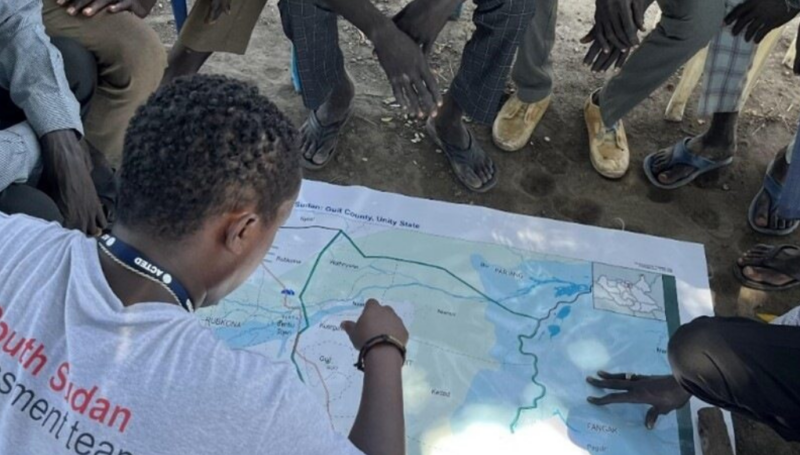


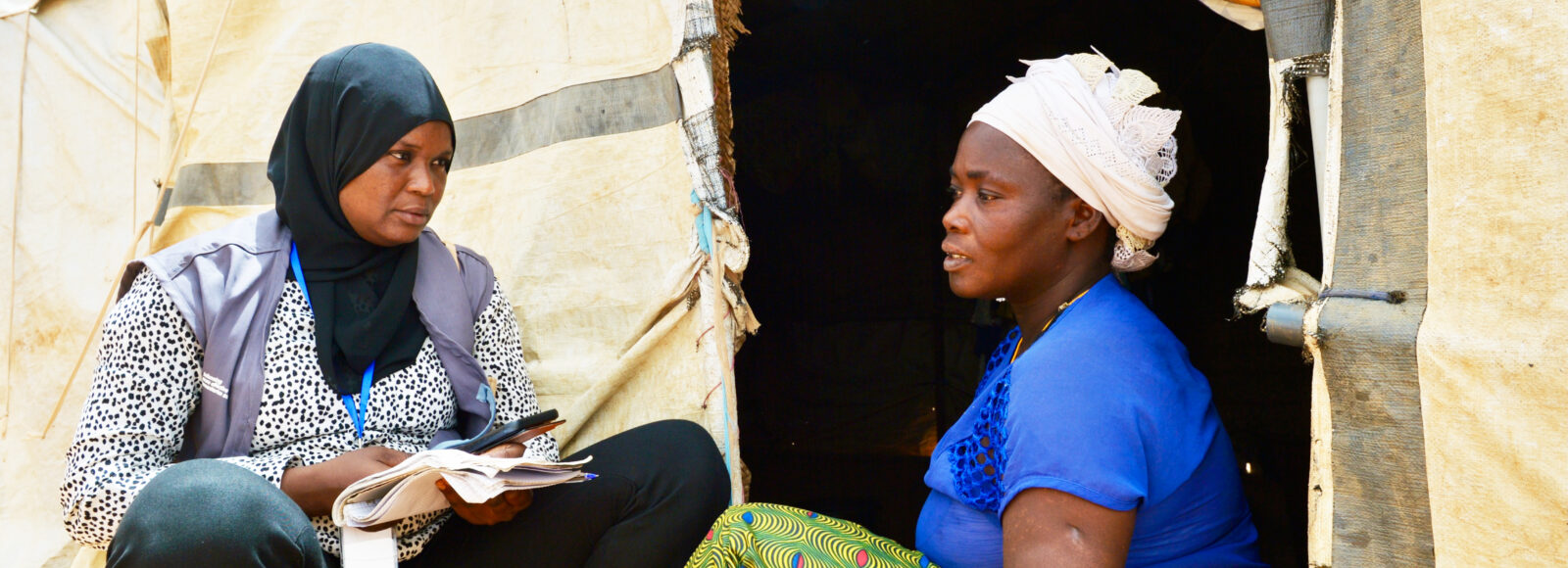

In a system facing growing humanitarian unmet needs and shrinking resources, community participation is frequently cited as a cornerstone of the Humanitarian Reset. Yet in practice, the challenges and priorities expressed by crisis-affected people are still too often sidelined when the most critical decisions are made about funding and response design. If humanitarian action is truly to become people-centered, communities must be placed at the heart of how needs are understood and acted upon. This begins with the tools used for data collection.
For now, core humanitarian analysis still relies largely on population-level metrics such as malnutrition rates, health indicators, and service coverage. These indicators remain essential, but they do not fully capture how people themselves experience crises, what they consider most urgent, or the daily struggles they face as individuals, households, and communities. In recent years, many Accountability to Affected People (AAP) initiatives have sought to capture community perspectives through qualitative methods such as focus group discussions or key informant interviews. While these approaches are often more feasible in constrained environments and can generate rich insights, they are not always representative of the wider population affected by shocks and crises. The result is a persistent gap between what is measured and what communities themselves say matters most.
| As part of a broader effort to bridge this gap, IMPACT Initiatives has spent the past few years exploring how to better assess the challenges and lived experiences of affected populations. In line with these reflections, IMPACT has piloted the HESPER Scale (Humanitarian Emergency Settings Perceived Needs Scale) in more than eight contexts since 2023. Originally developed by the World Health Organization, the HESPER Scale is a tool that provides quantitative assessments of perceived needs based directly on the views of people affected by crises. Through twenty-six questions, the HESPER scale covers several dimensions of physical, psychological, and social needs at the individual and community levels. When triangulated with other sources, the HESPER Scale offers an opportunity to present a holistic overview of needs by comparing those measured by inter-sectoral frameworks with those expressed by communities themselves, as analyzed in a previous analysis. |  | |
In several contexts, HESPER findings have informed early discussions with key stakeholders, coordination bodies, and operational partners. By introducing community-defined priorities at the start of planning cycles, the tool can help challenge assumptions, reframe strategic conversations, and encourage more locally–grounded resource allocation. At the same time, lessons learned from implementation highlight important challenges. Integrating self-perceived needs module into broader tools can increase questionnaire length; some questions of specific needs require careful adaptation in sensitive settings, and translation or contextualization must be handled with care.
Overall, analyzing self-perceived needs more accurately represents a strategic opportunity for the humanitarian sector to move beyond talking about participation and begin putting it into practice. It provides concrete data that can strengthen advocacy for more relevant, accountable, and effective humanitarian funding by ensuring that priorities are informed by how communities themselves define their most pressing challenges. However, it is only one step forward on a much broader path that requires continuous consultation with affected communities, meaningful involvement of local partners in decision-making processes, and recognition of the solidarity systems that already support, or can help address, the challenges identified by communities.
Looking ahead, IMPACT Initiatives will continue refining the use of HESPER across crisis settings and research cycles, while feeding lessons learned into broader organizational approaches to analyzing community priorities and challenges.
To explore further on self-perceived needs and community challenges
- “What is your most serious problem?” Lessons learned and reflections on the use of the HESPER Scale
- “Who defines our needs” Aligning measured and perceived humanitarian needs
- Exploring the perception and measurement of humanitarian needs in Mali
| This project was funded by Sida |