


Kenya Urban JMMI Terms of Reference (ToR), September 2026
PDF399.8K
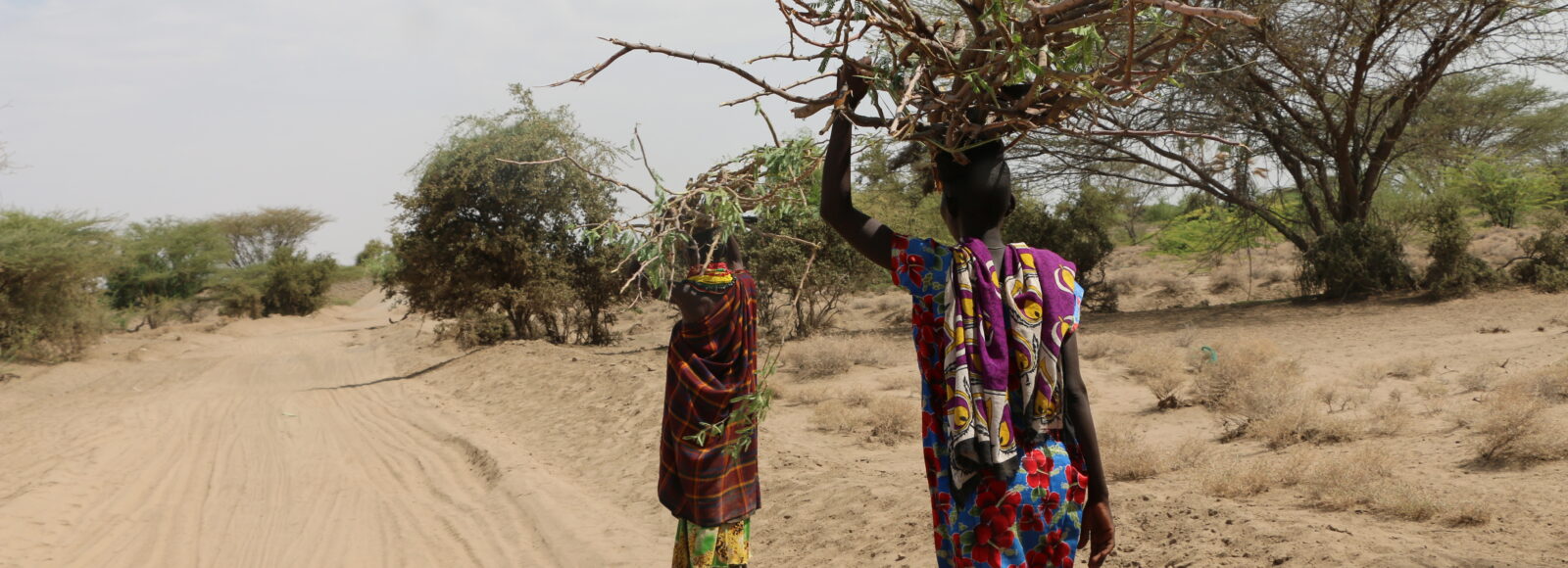
Kenya is increasingly exposed to both extreme climate events and slow-onset processes such as recurrent droughts, flooding, and environmental degradation, contributing to displacement, infrastructure damage, and rising food insecurity disproportionally affecting Arid and Semi-Arid Lands. Kenya is also hosting a large population of refugees and asylum seekers (over 840,000 as of March 2026) seeking refuge from conflicts in neighbouring countries. From early 2025, unprecedented funding cuts have deeply affected refugees’ access to assistance and services, just ahead of the planned transition from a camp-based to an integrated settlement approach under the Shikira Plan.
IMPACT began working in Kenya in 2016 through its initiative REACH to monitor needs in vulnerable populations with a focus on refugee camps and ASAL Counties. Ten years later, IMPACT conducts the yearly Multi Sectoral Needs Assessment to provide humanitarian actors with a deep understanding of needs and access to services in parallel of running the Joint Market Monitoring Initiative (JMMI) to guide cash assistance.
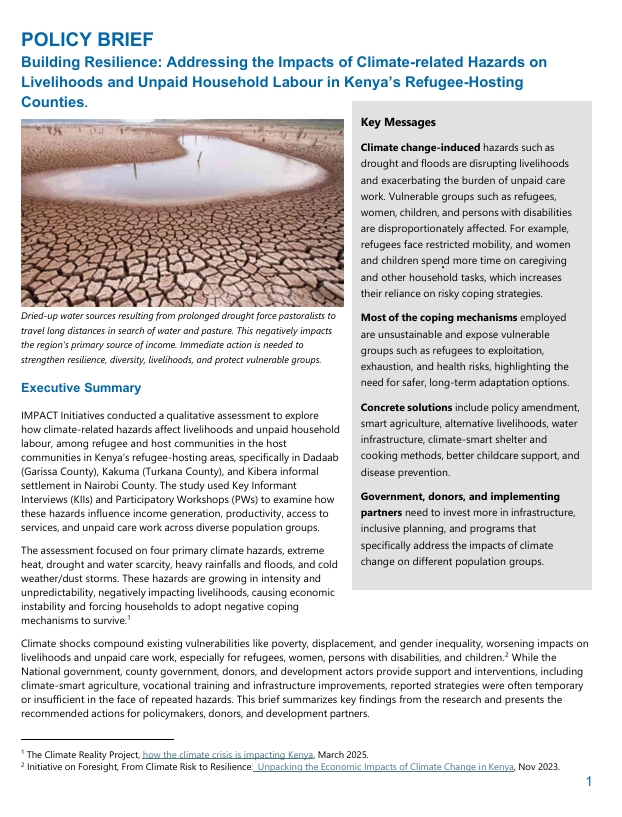
| Building Resilience: Addressing the Impacts of Climate-related Hazards on Livelihoods and Unpaid Household Labour in Kenya’s Refugee-Hosting Counties November 2025 Climate change is increasingly driving households in Kenya’s refugee-hosting areas, particularly Kakuma, Dadaab, and Kibera, toward harmful coping strategies that threaten their livelihoods, health, and general well-being. Based on evidence from recent assessments that highlight how extreme heat, droughts, floods, and other climate-related hazards have intensified vulnerabilities for both refugee and host communities.
|  |
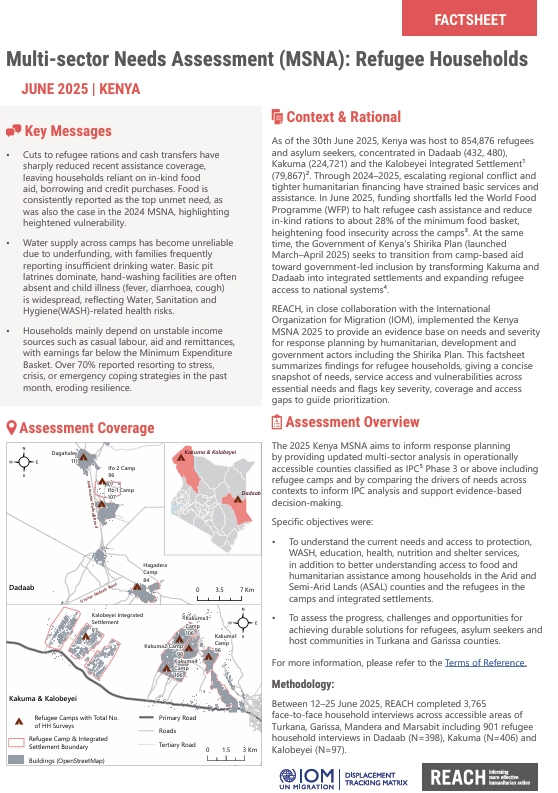
| Multi-Sectoral Needs Assessment (MSNA): Refugee Households June 2025
|  | |
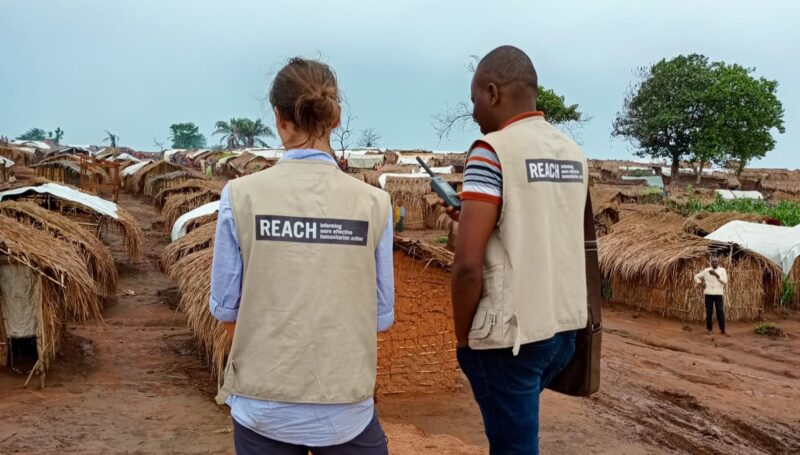
In Garissa, Mandera, Marsabit, and Turkana counties, 99% of refugee households and 91% of host and affected populations reported at least one unmet need. The share of refugee households facing...
Our latest Joint Market Monitoring Initiative (JMMI) offers crucial insights into market trends and challenges in Kenya’s arid and semi-arid land (ASAL) counties for the first quarter of 2024. This...
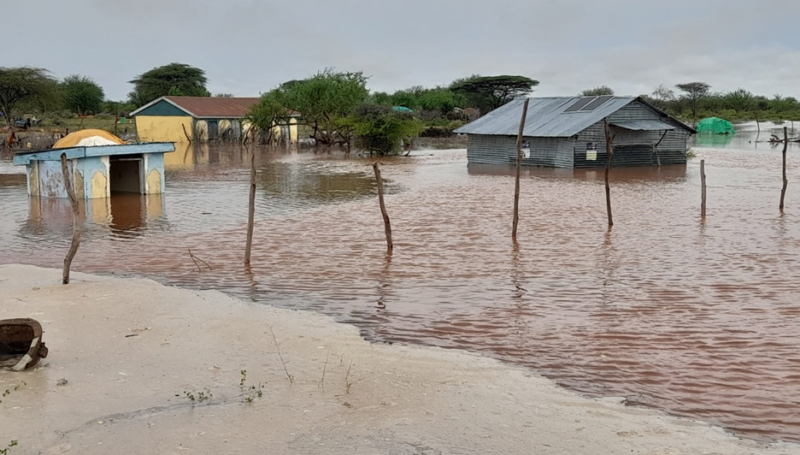
Climate shocks in Kenya continue to be felt through more than a decade of drought and, from October 2023 to January 2024, the country also saw El Niño related flooding....
Kenya Urban JMMI Terms of Reference (ToR), September 2026
PDF399.8K
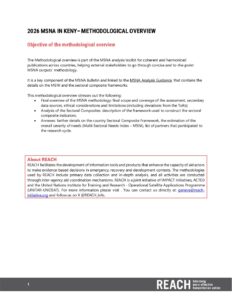
REACH Kenya MSNI 2026: Methodological Note
PDF500.8K
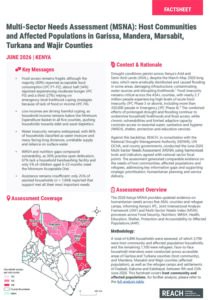
REACH Kenya - 2026 Multi-Sector Needs Assessment (MSNA): Host Communities and Affected Populations Factsheet (09-25 June 2026)
PDF1.5M

Kenya Urban JMMI Data Analysis Plan (DAP), September 2026
XLSX76.7K
REACH_KEN_MSNA_dataset_July_2026
XLSX69.8M
REACH_KEN_MSNA_analysis_July_2026
XLSX857.5K
IMPACT KENYA, MSNA ToR, May - 2026
PDF385.3K
REACH Kenya - 2026 MSNA DAP
XLSX94.7K
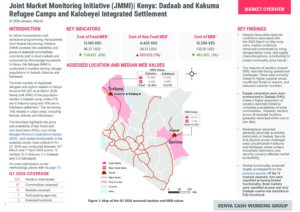
KCWG Kenya JMMI Q1 Factsheet Refugee Camps (March 2026)
PDF3.5M
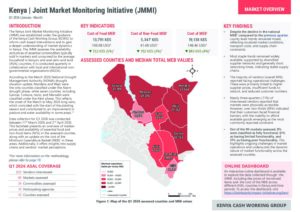
KCWG Kenya JMMI Q1 factsheet ASAL Counties, March 2026
PDF3.9M
REACH Kenya Drought Severity Map - Isiolo County (October 2025 - December 2025)
PDF4.7M
REACH Kenya Drought Severity Map - Mandera County (October 2025 - December 2025)
PDF3.8M
REACH Kenya Drought Severity Map - Marsabit County (October 2025 - December 2025)
PDF4.5M
REACH Kenya, Drought Snapshot_February_2026
PDF1.4M
REACH Kenya Drought Severity Map - Samburu County (October 2025 - December 2025)
PDF4.5M
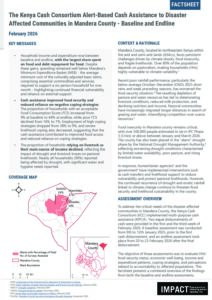
IMPACT KENYA - Factsheet Mandera County Endline, February 2026
PDF539.3K