

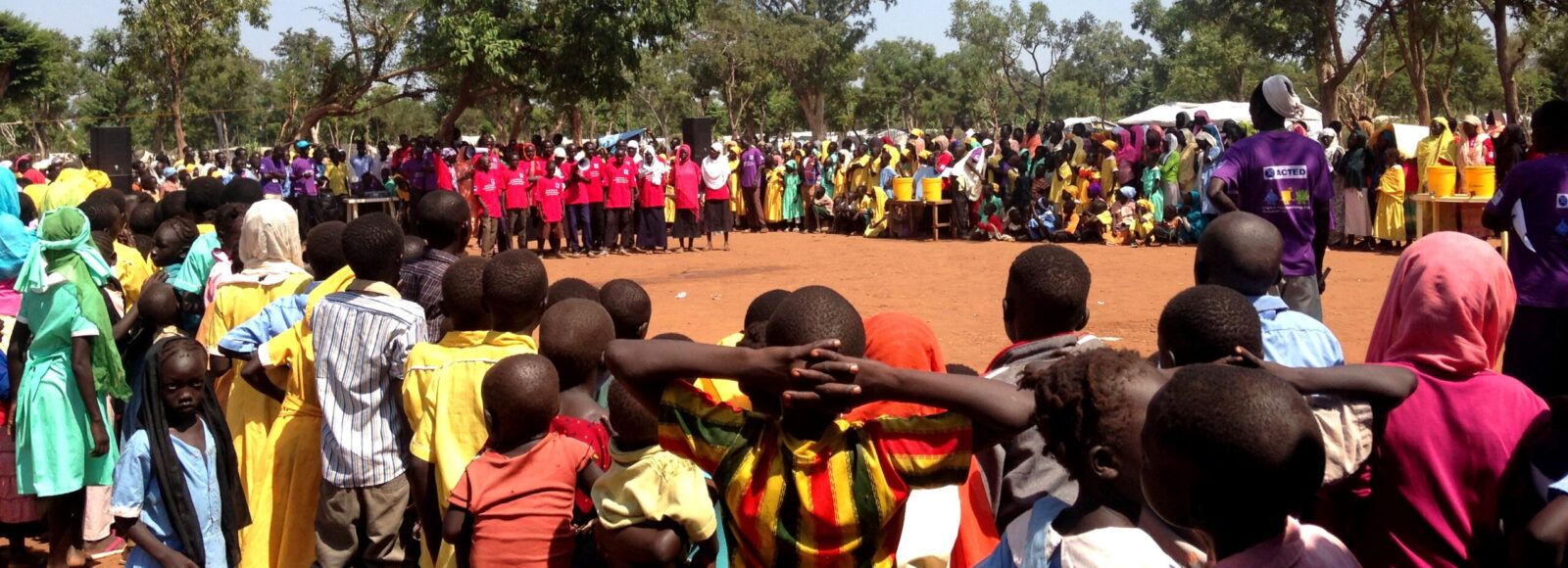

Across today’s major crises, protection risks for children are increasing at an alarming pace. In 2024, 520 million children, one in five globally, were living in conflict zones, the highest number ever recorded.
Beyond violence and displacement, children are increasingly exposed to child labour, family separation, recruitment by armed groups, and growing mental health needs that risk shaping their futures for years to come.
The trend is clearly visible in our data, notably in the Multisectoral Needs Assessments (MSNAs) — as well as in evidence gathered by numerous partners across crises.
- Attacks on schools and hospitals continue to rise;
- Economic pressure is forcing families into harmful coping strategies, including child marriage and child labour;
- Psychosocial distress among children is becoming widespread but remains largely under-addressed;
| These findings highlight a simple reality: child protection cannot be treated as a standalone priority. It must be integrated across humanitarian responses, from education and food security to health and livelihoods. Protecting children also means addressing the drivers of these risks, including conflict, poverty, human rights violations, displacement, and lack of access to essential services. Without stronger locally led child-centred humanitarian programming, an entire generation of conflict-affected children risk being left behind. Protecting children today is not only a life-saving imperative but also an investment in the future stability, recovery, and resilience of crisis-affected communities. Read the full Child Protection Brief | 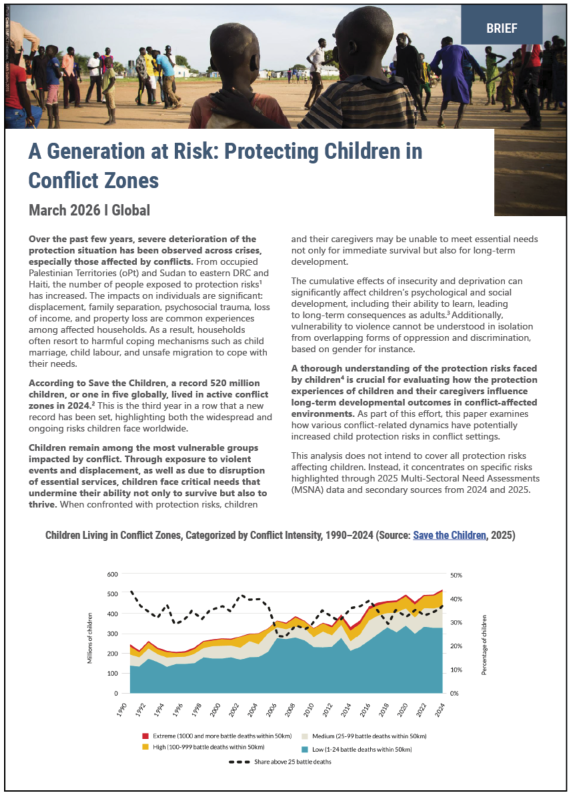 |