



REACH_SSD_Dataset-Analysis_JMMI_September-2026
XLSX2.6M
 |
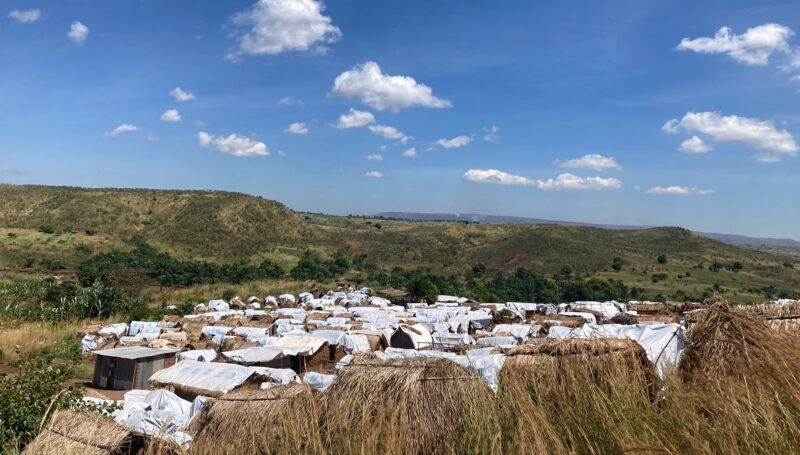
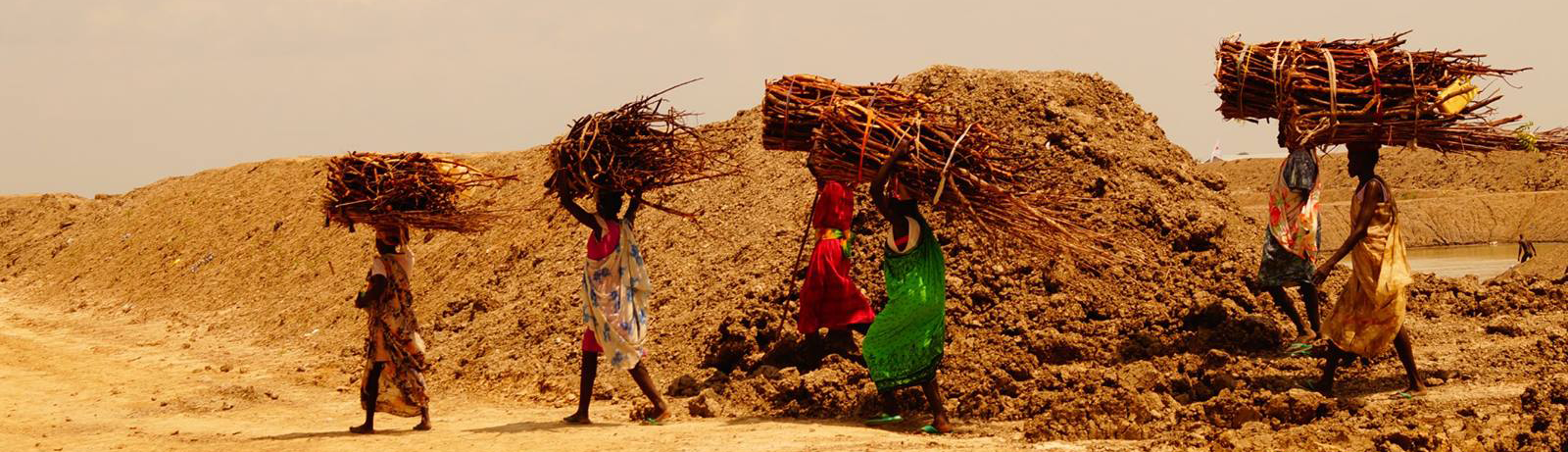
Since its independence in 2011, South Sudan continues to experience extremely severe and widespread needs across most sectors. Renewed armed conflict since March 2025 – particularly intense in Upper Nile, the Equatorias, and Jonglei – was compounded by the third consecutive year of widespread flooding, continued economic collapse, and the sustained pressure of more than 1.3 million Sudanese refugees and South Sudanese returnees entering the country since April 2023.
The result is a crisis of compounding system failures in which food insecurity, acute malnutrition, epidemic disease, and health system collapse are co-occurring at scale – and in which the populations most exposed are systematically those with the least capacity to cope. In 2026, over two-third of the population is in need of humanitarian assistance and 55% of the population will be experiencing high level of acute food insecurity between April and June 2026.
IMPACT has been present in South Sudan through its REACH initiative since 2012 to inform humanitarian response strategy, prioritization and planning. Our work is centered around three main objectives:
1) Informing prioritization, response design, and monitoring of shocks and needs severity via high quality data collection with a focus on cash and public health;
2) Providing strategic Information Management and technical support to key decision-makers and coordination platforms such as the Needs Analysis Working Group;
3) Improving evidence on climate shocks, displacement and durable solutions to support pathways towards resilience and development.
Explore some of the country latest analyses below and learn more about IMPACT activities in South Sudan by signing up to our country newsletter, or by accessing our Resource Centre.
| Flooding and violence drive alarming acute malnutrition levels in Fangak County March 2026 Conditions in Fangak have long ranked among the most severe in South Sudan. Six consecutive years of catastrophic flooding (2019-2024) regularly triggered disease outbreaks, submerged villages, displaced thousands, decimated an entire livelihood system, and drove catastrophic levels of hunger. | 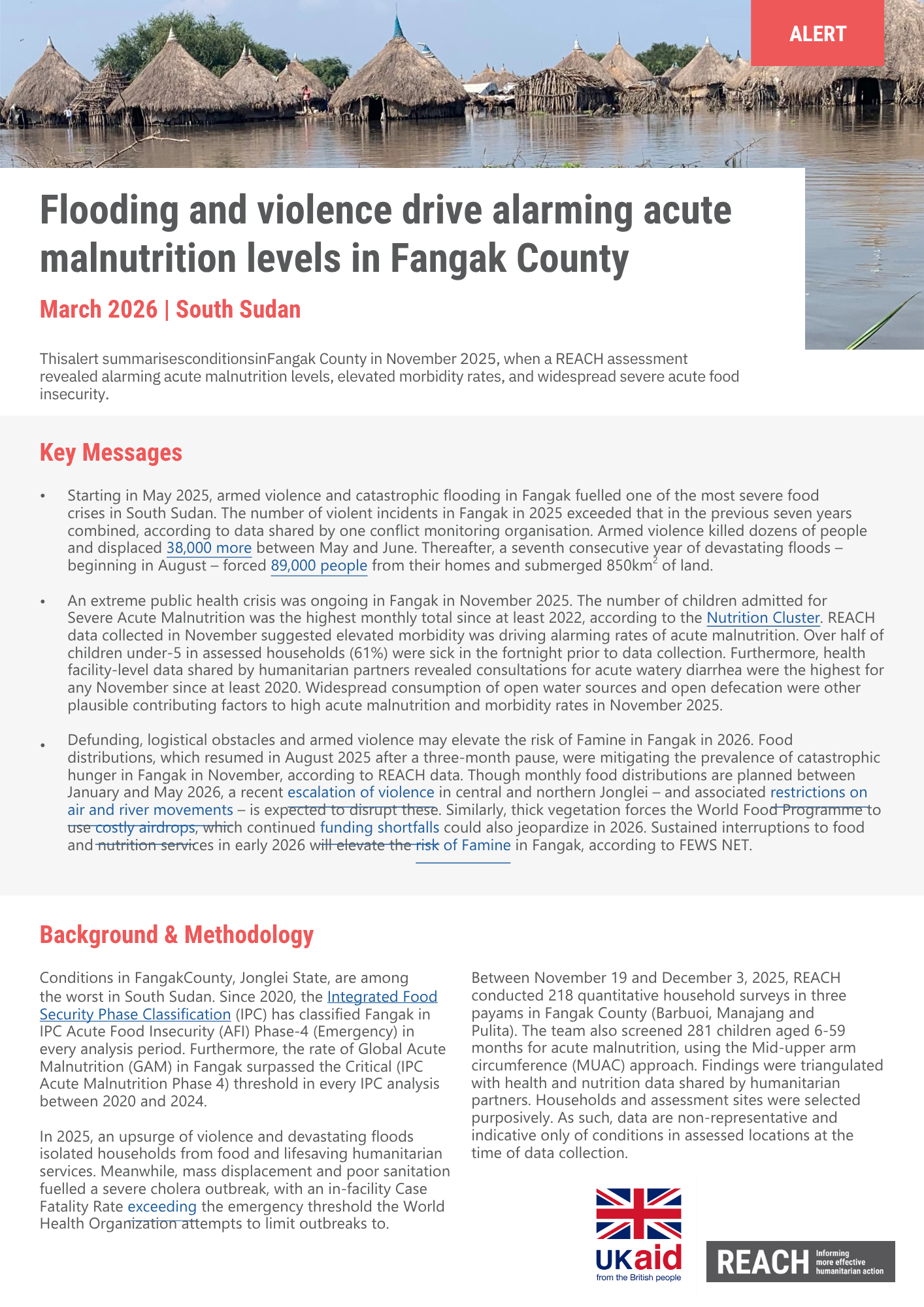 | |
| What is the Acute Needs Analysis (ANA)? July – Sept 2025 The ANA is a humanitarian research pilot project designed to identify populations facing urgent, life-threatening needs. It seeks to bring these populations to the attention of humanitarian decision-makers—especially in contexts where information is scarce or fragmented. All analysis is conducted by dedicated, country‑based analysts with deep contextual expertise, ensuring robust support for humanitarian prioritization across and within crises. | 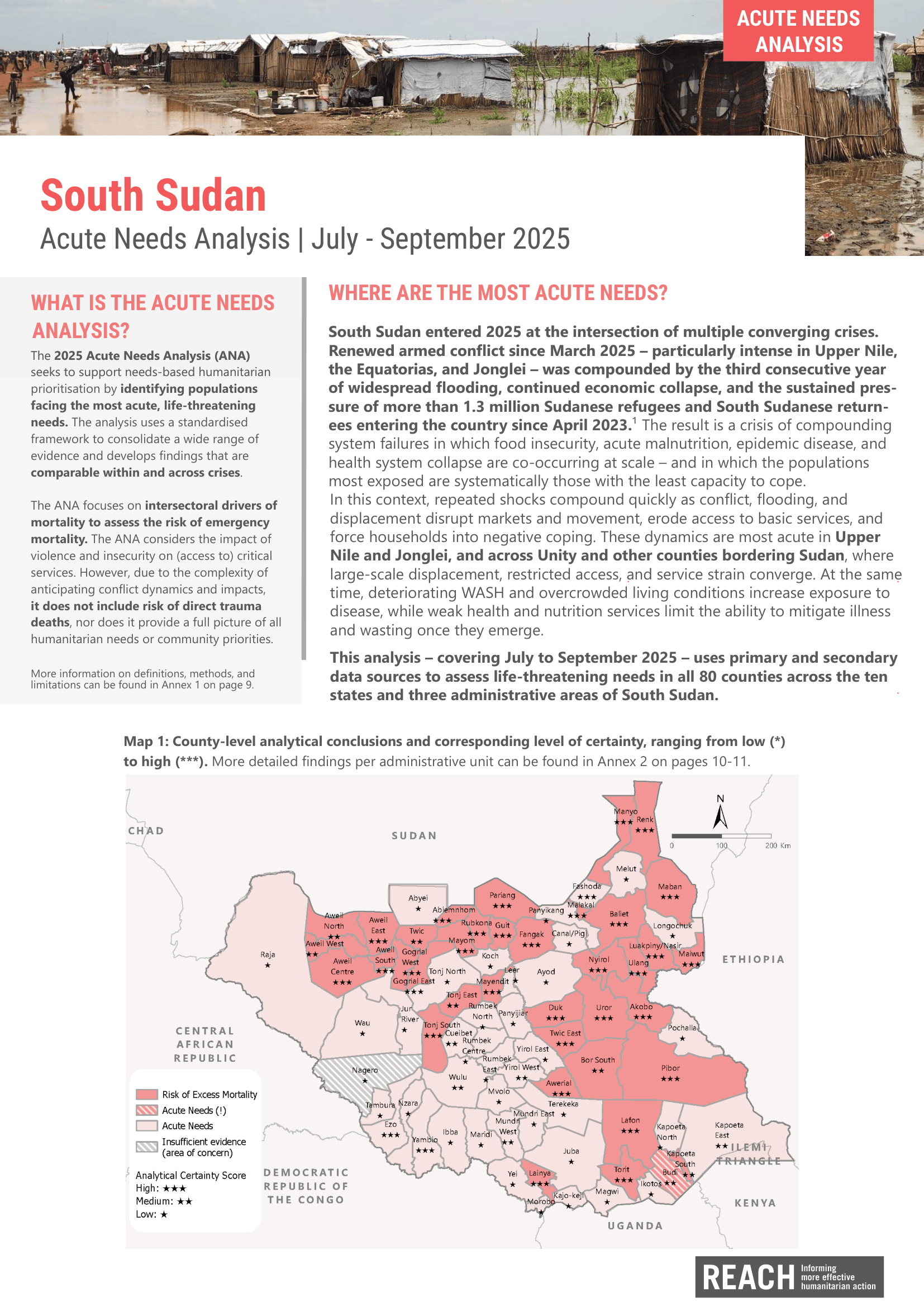 |
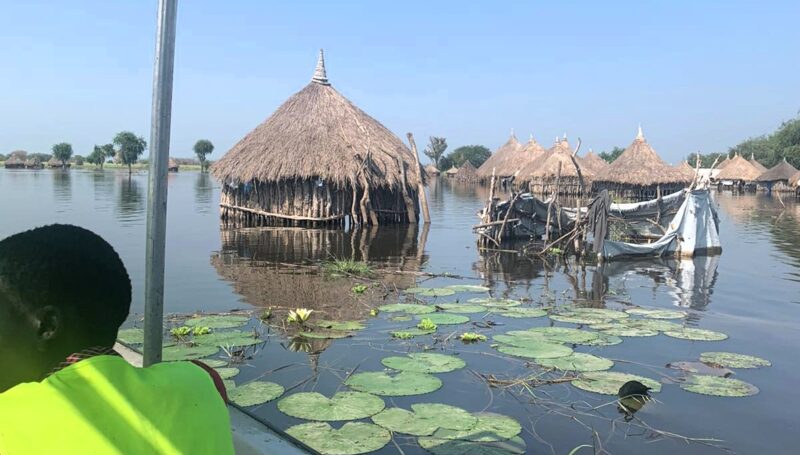
South Sudan is highly exposed to climate hazards, and above-average rains continue to shape the humanitarian landscape. Communities face multiple, compounding challenges, including recurrent flooding, food insecurity, public health risks,...
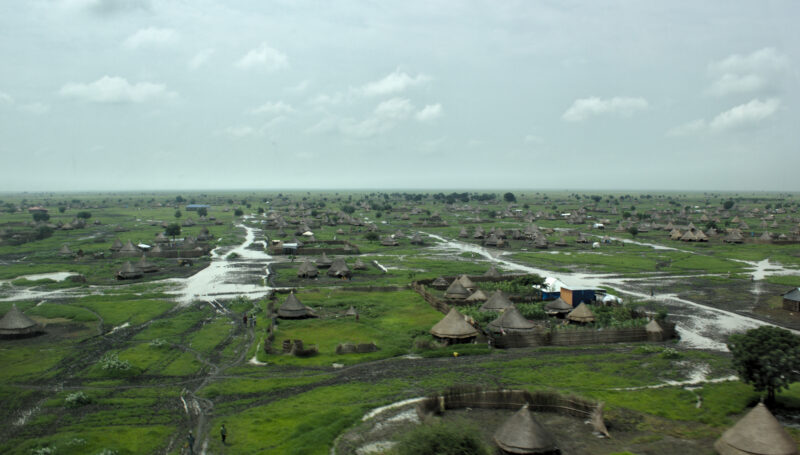
During just 6 weeks beginning in December 2024, clashes in Sudan forced more than 120,000 people across the border into Renk County, South Sudan, marking the largest influx since the...
REACH_SSD_Dataset-Analysis_JMMI_September-2026
XLSX2.6M
REACH South Sudan - Factsheet Joint Market Monitoring Initiative (JMMI) September 2026
PDF17.1M
REACH South Sudan - Dataset & Analysis Joint Market Monitoring Initiative (JMMI) August 2026
XLSX2.4M
REACH South Sudan - Factsheet Joint Market Monitoring Initiative (JMMI) August 2026
PDF7.4M
REACH South Sudan - Situation Overview in Akobo East - August 2026
PDF2.4M
REACH South Sudan - Situation Overview in Lafon County - August 2026
PDF913.5K
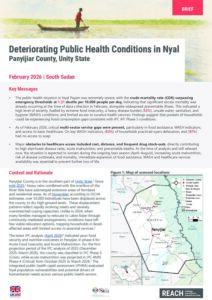
REACH South Sudan-Integrated Public Health Rapid Assessment (IPHRA) Brief -Nyal, Panyijiar – February 2026
PDF7.6M
REACH South Sudan - Dataset & Analysis Joint Market Monitoring Initiative (JMMI) June 2026
XLSX2.9M
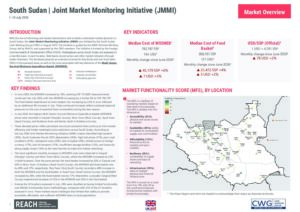
REACH South Sudan - Factsheet Joint Market Monitoring Initiative (JMMI) July 2026
PDF9.0M
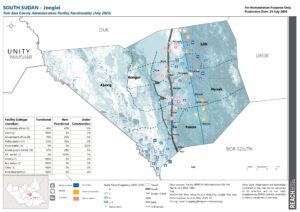
South Sudan - Infrastructure Mapping, Jonglei, Twic East County Administration Facility -July 2026
PDF4.6M
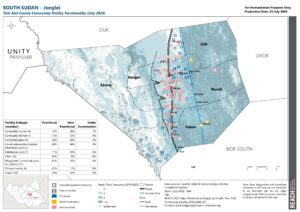
South Sudan - Infrastructure Mapping, Jonglei, Twic East County Community Facility -July 2026
PDF4.6M
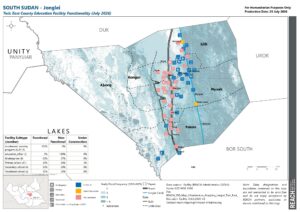
South Sudan - Infrastructure Mapping, Jonglei, Twic East County Education Facility -July 2026
PDF4.6M
REACH SSD Rapid EVD Knowledge Assessment DSAG
XLSX49.0K
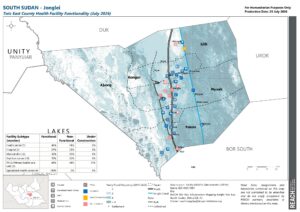
South Sudan - Infrastructure Mapping, Jonglei, Twic East County Health Facility -July 2026
PDF4.6M
REACH SSD Rapid EVD Knowledge Assessment Dataset July 2026
XLSX2.1M
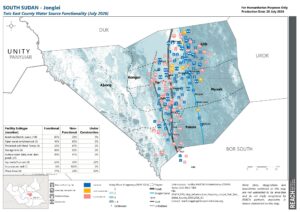
South Sudan - Infrastructure Mapping, Jonglei, Twic East County Water Source -July 2026
PDF4.6M