



UGA_AruaNeighborhoodReports_Bunyo_201809
PDF1.6M
 |
Uganda is the largest refugee-hosting country in Africa, with two million refugees and asylum seekers as of April 2026, most of which living in settlements across the North and Southwest of the country. Refugees face protracted humanitarian needs and are most often dependent on humanitarian aid or other non-self-generated sources of income to provide for themselves and their families. They are also particularly affected by the increasing frequency and scale of climate related hazard such as floods, droughts, and landslide damaging infrastructure and disrupting livelihoods. Despite the persistent humanitarian needs among an ever-increasing caseload of refugees, funding to the response has consistently decreased over the years with a sharp decrease from early 2025. Funding cuts have deeply affected refugees’ access to assistance and services with severe effects on food assistance and access to WASH and health services.
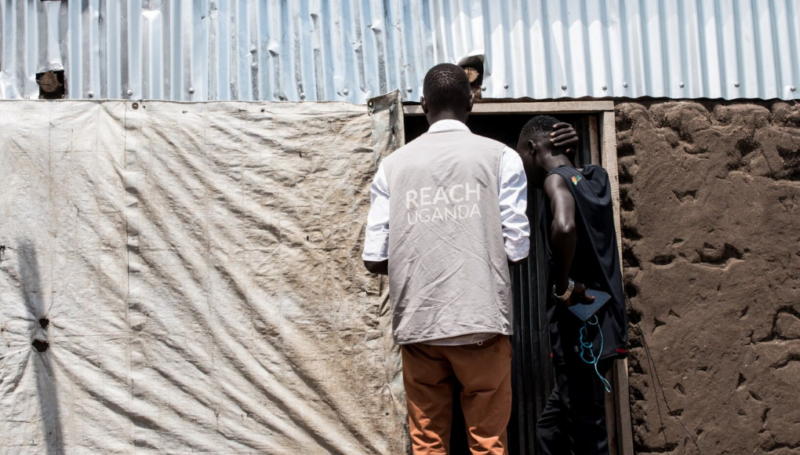
IMPACT has worked in Uganda since 2017 through its REACH Initiative, supporting humanitarian and development actors with evidence generation and coordination support to guide strategic planning.
In 2026, REACH continues to support the response by contributing analysis and data to the Uganda Country Refugee Response Plan and inform its localisation and transition objectives through multisectoral needs assessments in refugee-hosting locations.
| Mapping Climate Risk Across Uganda’s Refugee-Hosting Districts April 2026Uganda is facing increasingly unpredictable climate hazards, including floods and prolonged droughts. With significant impacts on shelters, agricultural productivity, and infrastructure, these climate risks are particularly acute in refugee-hosting sub-counties, where land, water, and services are already constrained. | 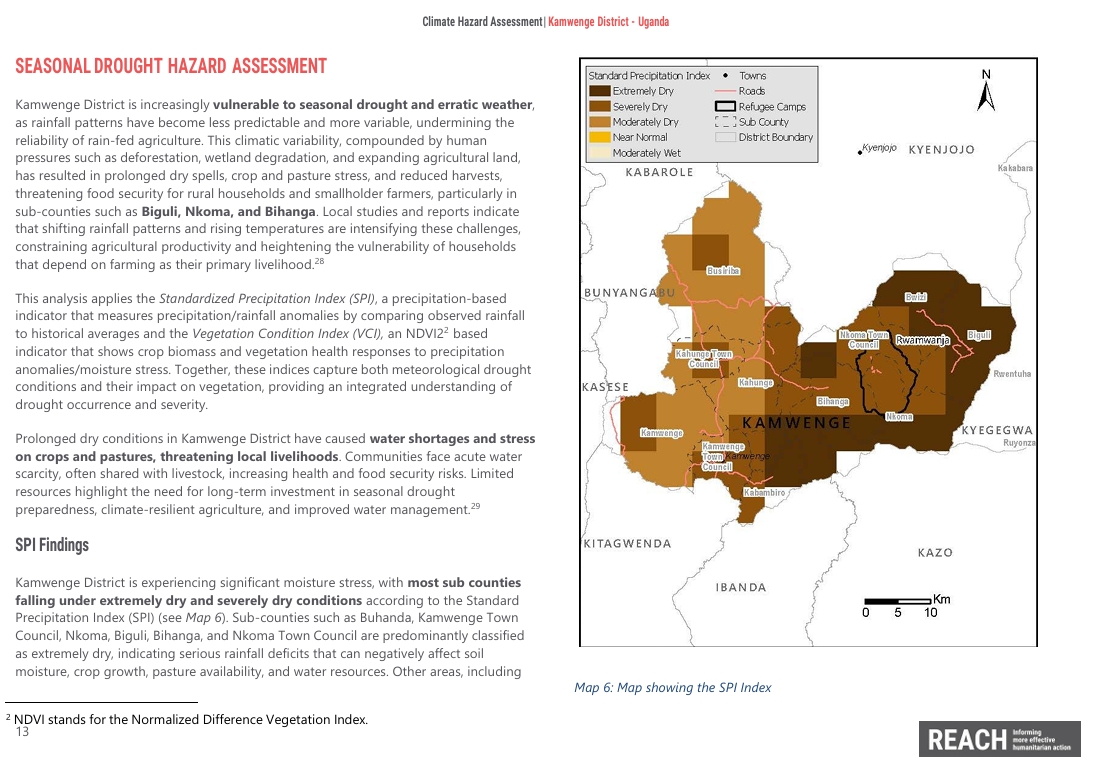 |
| What is the Acute Needs Analysis (ANA)? July – September 2025The ANA is a humanitarian research pilot project designed to identify populations facing urgent, life-threatening needs. It seeks to bring these populations to the attention of humanitarian decision-makers—especially in contexts where information is scarce or fragmented. All analysis is conducted by dedicated, country‑based analysts with deep contextual expertise, ensuring robust support for humanitarian prioritization across and within crises. | 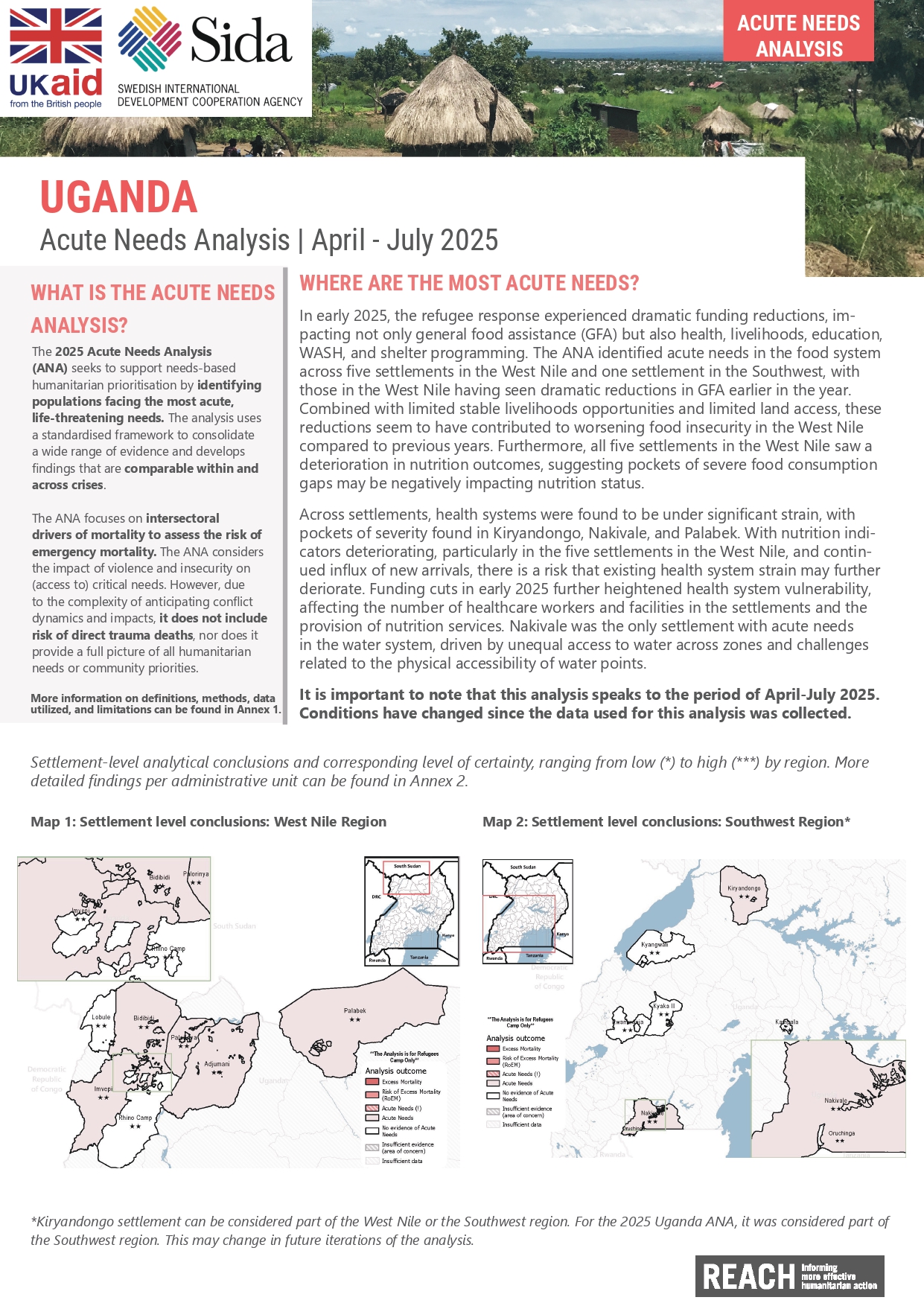 | |
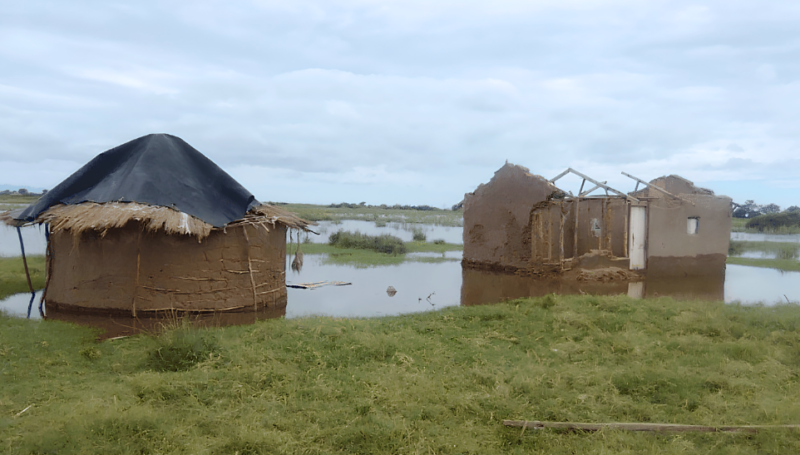
In recent years, Uganda, which hosts one of the largest refugee populations in Africa, has faced increasing exposure to climate hazards, including heavy rains and prolonged dry spells. The unpredictability and variability of these hazards...
The latest Movement, Livelihood, and Access to Basic Services assessment for Adjumani Town, Uganda, conducted by IMPACT via its initiative REACH, presents a nuanced picture of both progress and persistent...
UGA_AruaNeighborhoodReports_Bunyo_201809
PDF1.6M
UGA_AruaNeighborhoodReports_Tanganyika Ward_201809
PDF1.9M
UGA_AruaNeighborhoodReports_Driwala_201809
PDF1.6M
UGA_AruaNeighborhoodReports_Driwala_201809
PDF1.7M

UGA_Factsheet_Gap Analysis_Palorinya_May2018
PDF1.0M
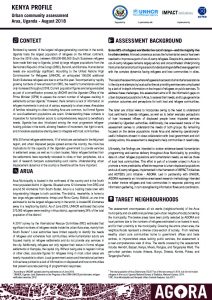
UGA_AruaNeighborhoodReports_Kenya_201809
PDF1.7M

AGORA UGA Arua householdsurvey Avril2018
XLSX3.7M
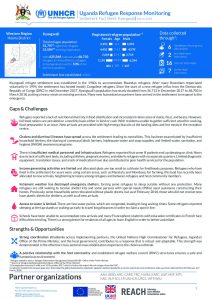
UGA_Factsheet_Kyangwali Settlement Gap Analysis_March 2017
PDF389.6K

UGA_Factsheet_Kyaka Settlement Gap Analysis_March 2018
PDF382.0K

UGA_MSNA_TOR_23MAR2018
PDF596.7K
AGORA_ToR_UGA_v8
DOCX97.3K
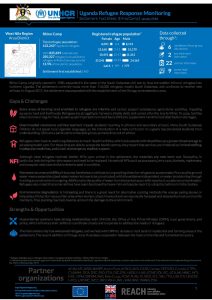
UGA_Factsheet_Rhino Settlement Gap Analysis_January 2018
PDF375.3K
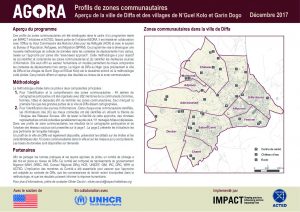
AGORA_NER_Factsheet_Profils de zones communautaires_Décembre 2017
PDF4.2M
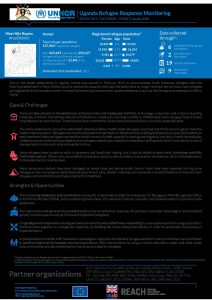
UGA_Factsheet_Imvepi Settlement Gap Analysis_January 2018
PDF348.6K
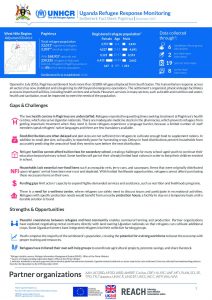
UGA_Factsheet_Pagirinya Settlement Gap Analysis_December 2017
PDF379.0K
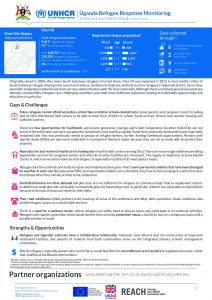
UGA_Factsheet_Olua Settlement Gap Analysis_December 2017
PDF379.1K