

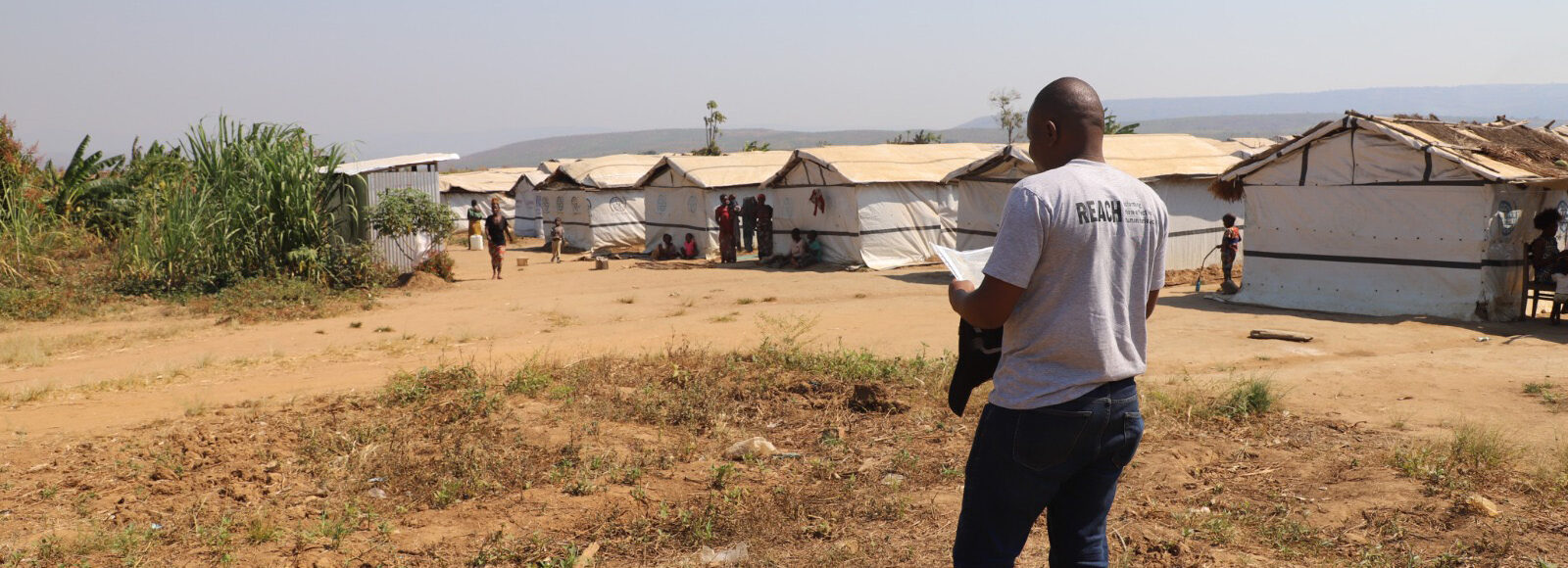

Since IMPACT’s creation in 2010, our purpose has remained the same: to support humanitarian and other solidarity actors in making better decisions, informed by reliable data and driven by partnerships with communities.
In 2025, as collective action loses momentum, achieving a common understanding based on rigorous data is becoming harder. At the same time, shrinking access to crisis-affected areas creates fertile ground for misinformation and disinformation—fueling self-interest, conflict, and tension. For those working in humanitarian response, international development, or climate action, this makes it increasingly difficult to rely on the evidence needed to protect and support the most vulnerable.
Good data, collected directly from populations, is not just technical—it is the foundation of needs-based and people-centered assistance, and it builds the trust and collaboration our sector depends on. That is why we are renewing our commitment to evidence-based decision-making through our Strategic Framework 2025-2030.
Leveraging 15 years of learning and improvements, and following extensive consultations with staff, governance members, and external partners, we have defined three main objectives:
🔹 Informing needs -based, people centered and effective assistance;
🔹 Pioneering research excellence;
🔹 Forging a resilient and fit-for-purpose organization.
This Strategic Framework will be our compass for the next five years, guiding us to become more purposeful and coherent, ultimately better contributing to positive outcomes for crisis-affected populations.