



REACH Ukraine Calibration Round 4 – Key Findings on Prioritized frontline Oblasts – FACTSHEET (May 2026)
PDF3.7M

| English translation available |
24 лютого 2026 року виповнюється чотири роки від початку повномасштабного вторгнення Росії в Україну. Протягом цього часу характер війни постійно змінювався, однак активні бойові дії, як і раніше, зосереджені в межах 0–50 км від лінії фронту, на які припадає майже 90% обстрілів і понад половина жертв серед цивільного населення. Водночас інтенсивні ракетні та дронові атаки сягають далеко за межі цих територій, зачіпаючи населення в усіх регіонах країни та неодноразово завдаючи шкоди житловим будинкам, школам, лікарням і енергетичній інфраструктурі. Як наслідок, гуманітарна криза охоплює як гострі надзвичайні потреби на прифронтових територіях, так і тривалі мультисекторальні потреби в населених пунктах, віддалених від бойових дій, що зумовлені порушеннями життєдіяльності по всій країні, структурною вразливістю та довгостроковими викликами, пов’язаними з відновленням.
Згідно з «Планом гуманітарних потреб та реагування на 2026 рік», понад 10,6 мільйона людей по всій Україні потребує гуманітарної допомоги. Число жертв серед цивільного населення продовжує зростати: із січня до жовтня 2025 року кількість постраждалих серед цивільного населення зросла на 27% порівняно з аналогічним періодом 2024 року, що свідчить про розширення географічного охоплення та інтенсивності ударів. Повторні атаки на енергетичну інфраструктуру також призвели до масштабних зимових відключень електроенергії, що одночасно зачіпають сотні тисяч людей і суттєво підвищують ризики для безпеки та здоров’я.
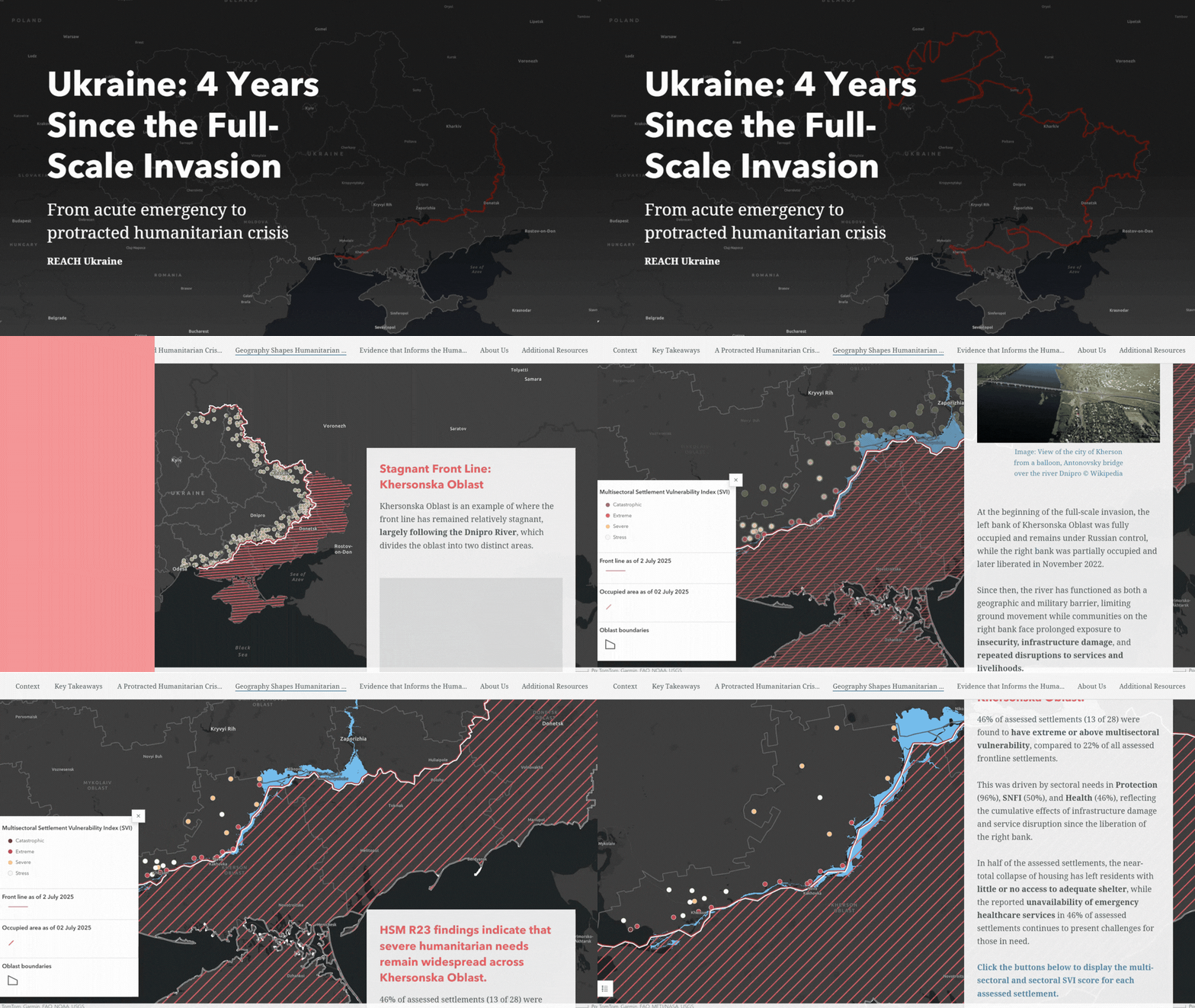
➞ Ознайомтеся з аналітичним оглядом гуманітарних потреб України за 4 роки від початку повномасштабного вторгнення тут
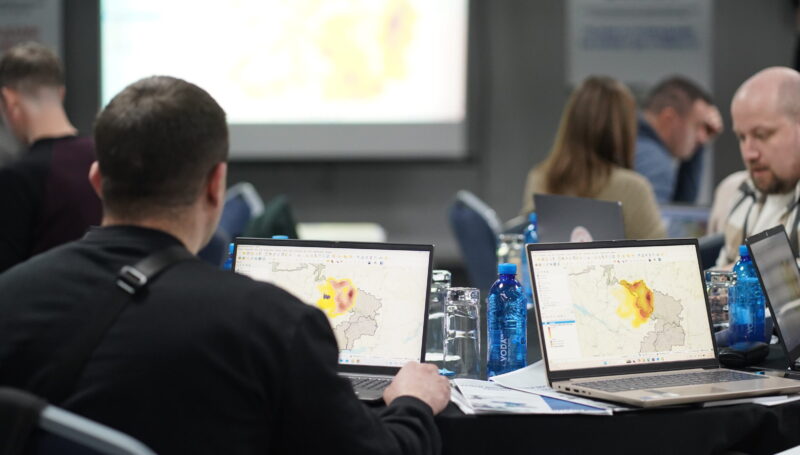
IMPACT Initiatives працює в Україні з 2015 року, надаючи точні, своєчасні та практичні дані для інформування гуманітарного реагування, стабілізації та відновлення. Після повномасштабного вторгнення Росії у 2022 році ми розширили масштаби своєї діяльності, щоб охопити всю країну: здійснюємо постійний моніторинг гуманітарних потреб, регулярно оновлюємо інформацію про ситуацію в нестабільних прифронтових районах, відстежуємо наслідки пошкодження інфраструктури та житла за допомогою штучного інтелекту, а також аналізуємо потреби та наміри переміщених осіб. З огляду на динамічний контекст в Україні, IMPACT також розширила своє портфоліо, щоб інформувати діяльність у сфері раннього відновлення та стабілізації. Зокрема, це включає послуги з картографування та підтримку вразливих груп населення, таких як діти та ветерани, дослідження політик щодо довгострокових рішень для біженців і внутрішньо переміщених осіб, а також комплексний аналіз гендерних наслідків війни.
Wildfires: a growing risk in Ukraine As the war’s escalation in Ukraine enters its fifth year, its multi-layered consequences continue to exacerbate climate-related challenges in the country. This is starkly...
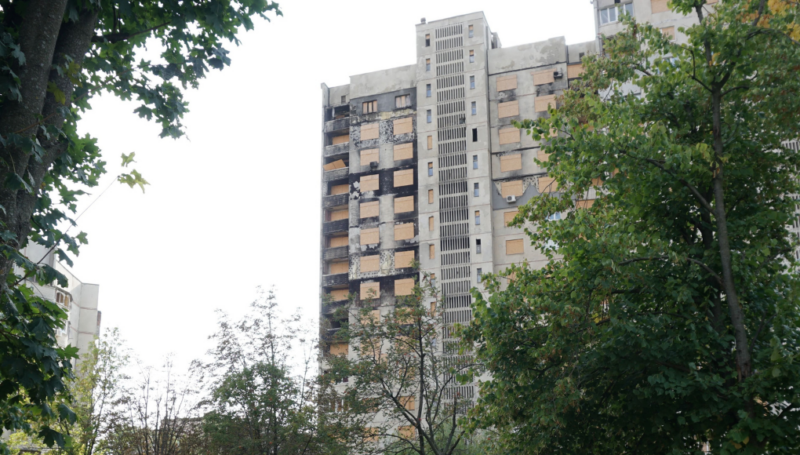
24 February 2026 marks four years since Russia’s full-scale invasion of Ukraine. Alongside active hostilities in frontline areas, intensified missile and drone strikes continue to affect communities across all regions...

Ukraine has faced serious power outages caused by hostile actions since before Russia’s full-scale invasion in 2022. Since a wave of renewed air strikes affecting energy infrastructure in October, November...
REACH Ukraine Calibration Round 4 – Key Findings on Prioritized frontline Oblasts – FACTSHEET (May 2026)
PDF3.7M
REACH Ukraine Terms of Reference HAVEN IV April 2026
PDF708.3K
HAVEN III Forum Brief ENG
PDF931.8K
REACH Ukraine DAP HAVEN IV Quantitative component April 2026
XLSX37.3K
HAVEN III Forum Brief UKR
PDF916.8K
REACH Ukraine DAP HAVEN IV Qualitative component April 2026
XLSX28.2K
REACH Ukraine Joint Market Monitoring Initiative DAP April 2026
XLSX83.1K
REACH Ukraine HAVEN IV DAP Qualitative component (04_2026)
XLSX72.2K
Humanitarian Situation Monitoring in Ukraine: Four years of evolution: From emergency monitoring to frontline prioritisation (2022-2026)
PDF2.4M
REACH Ukraine - 2025 Acute Needs Analysis
PDF1.8M
Моніторинг гуманітарної ситуації: Чотири роки еволюції: Від екстреного моніторингу до пріоритизації лінії фронту (2022-2026)
PDF3.6M
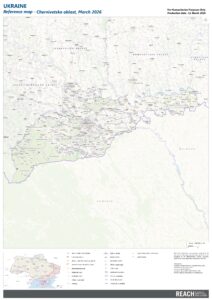
REACH UKR Map REF Chernivetska oblast Overview Map vertical 11 MARCH 2026 A0 EN
PDF38.4M
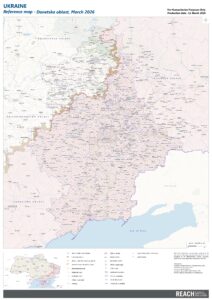
REACH UKR Map REF Donetska oblast Overview Map vertical 11 MARCH 2026 A0 EN
PDF34.4M
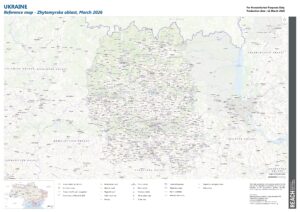
REACH UKR Map REF Zhytomyrska oblast Overview Map horizontal 11 MARCH 2026 A0 EN
PDF41.9M

IMPACT Ukraine HAVEN III White Book: Strengthening Local Recovery Planning Through Data, Participation, and Targeted Support (Ukrainian)
PDF5.4M
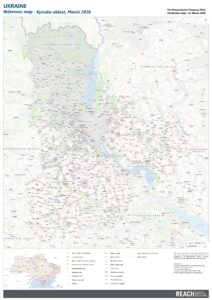
REACH UKR Map REF Kyivska oblast Overview Map vertical 11 MARCH 2026 A0 EN
PDF39.5M